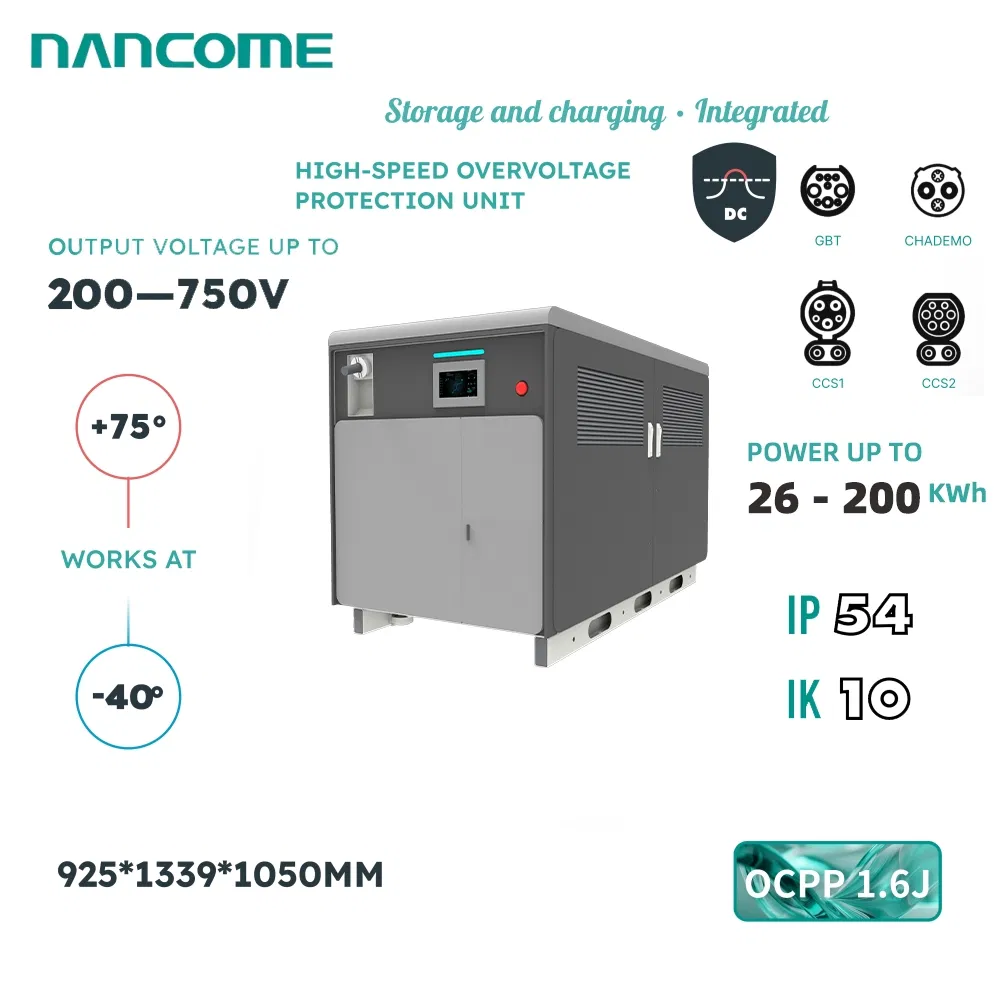
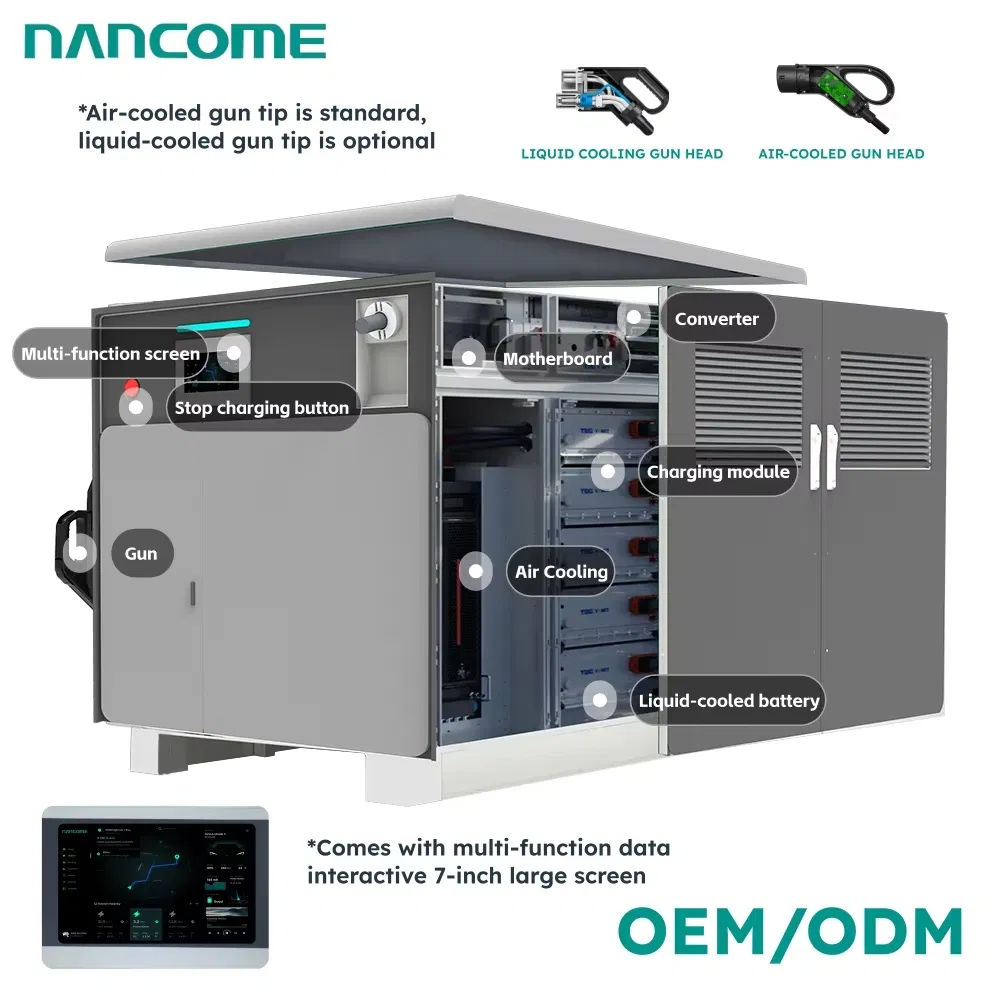
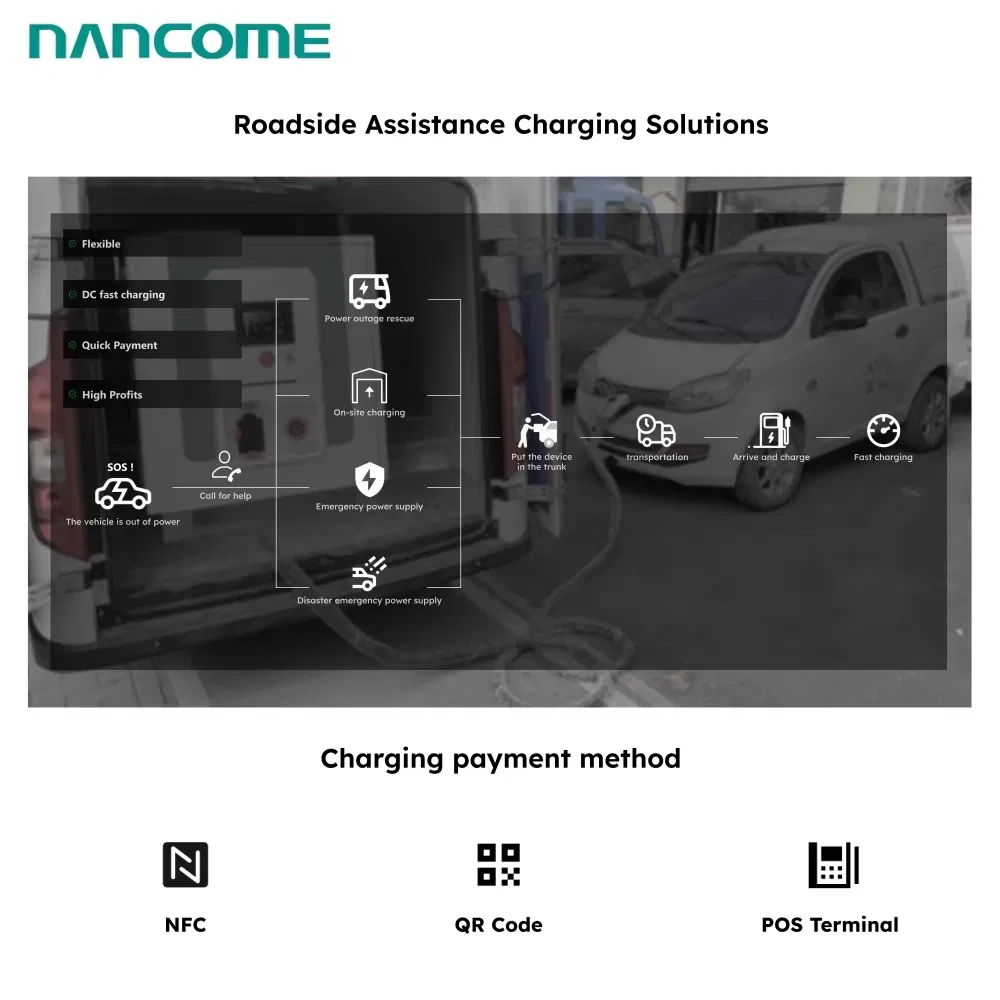
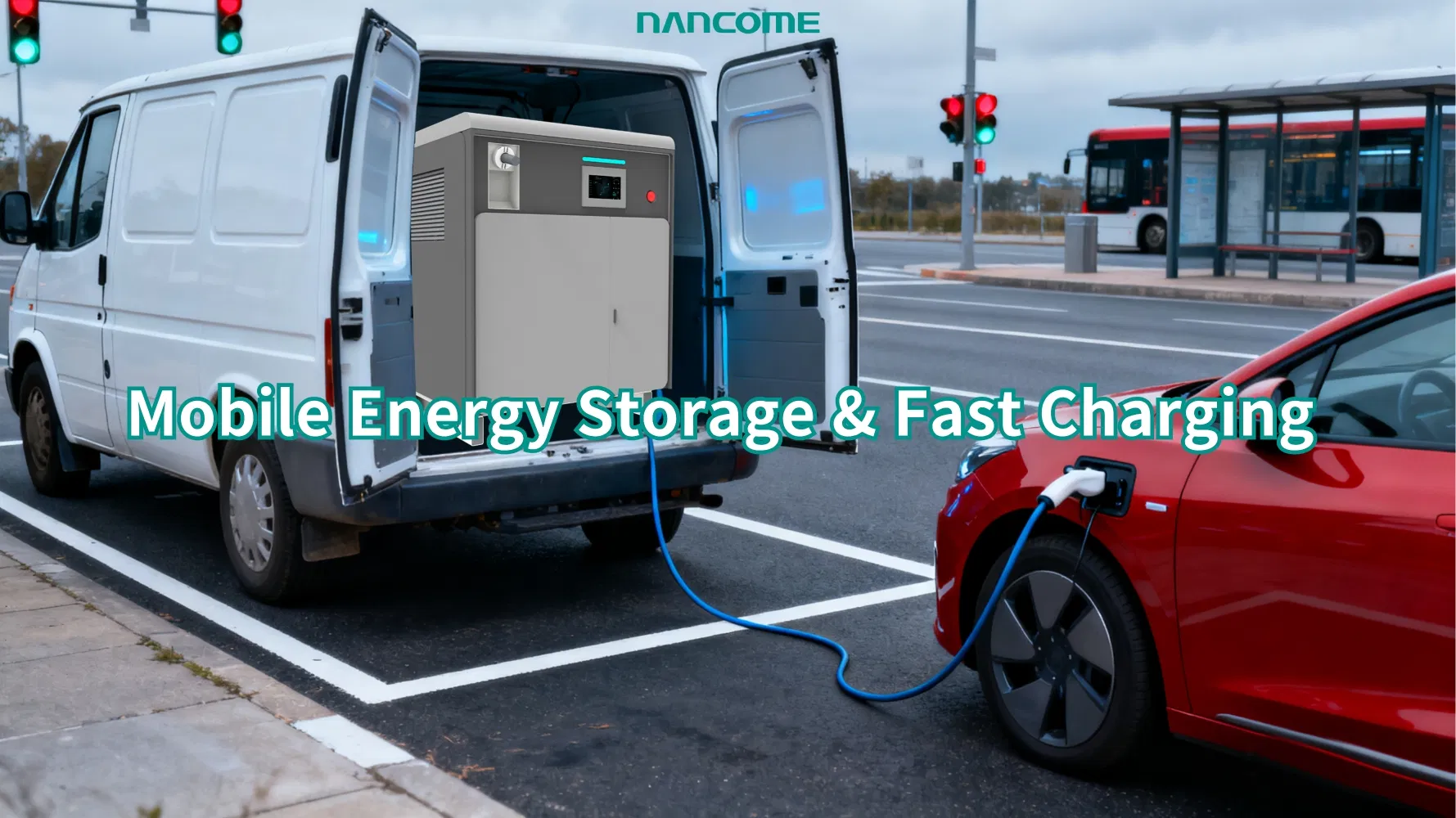
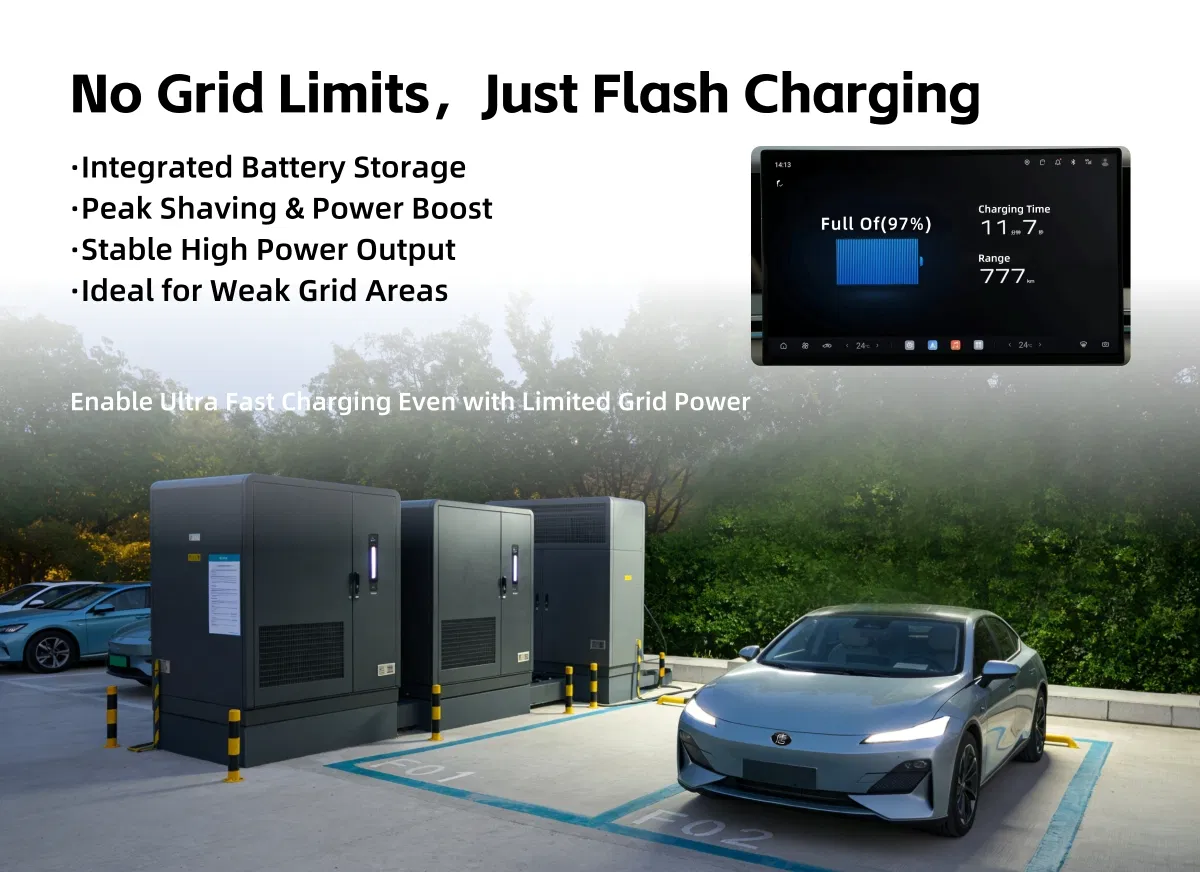
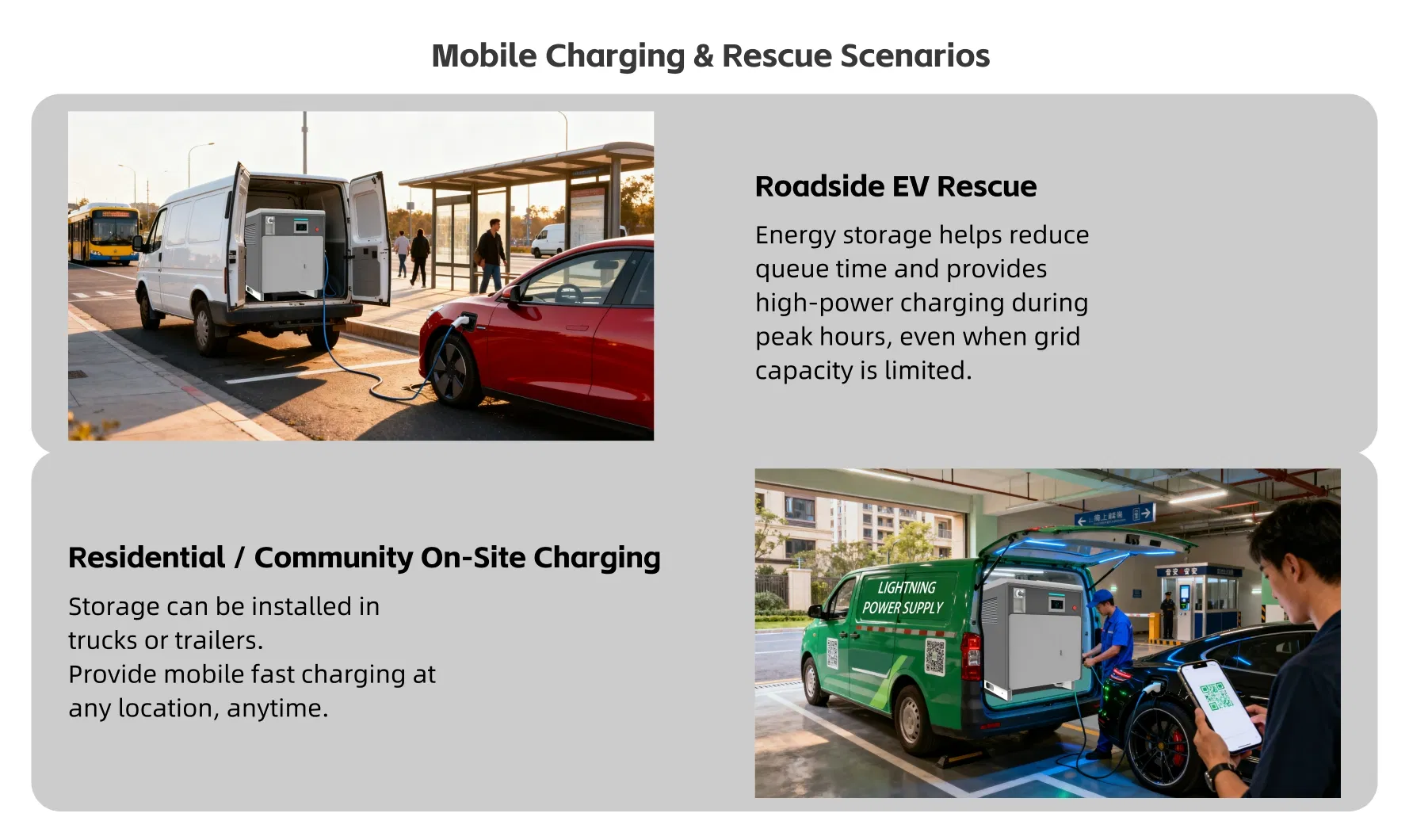
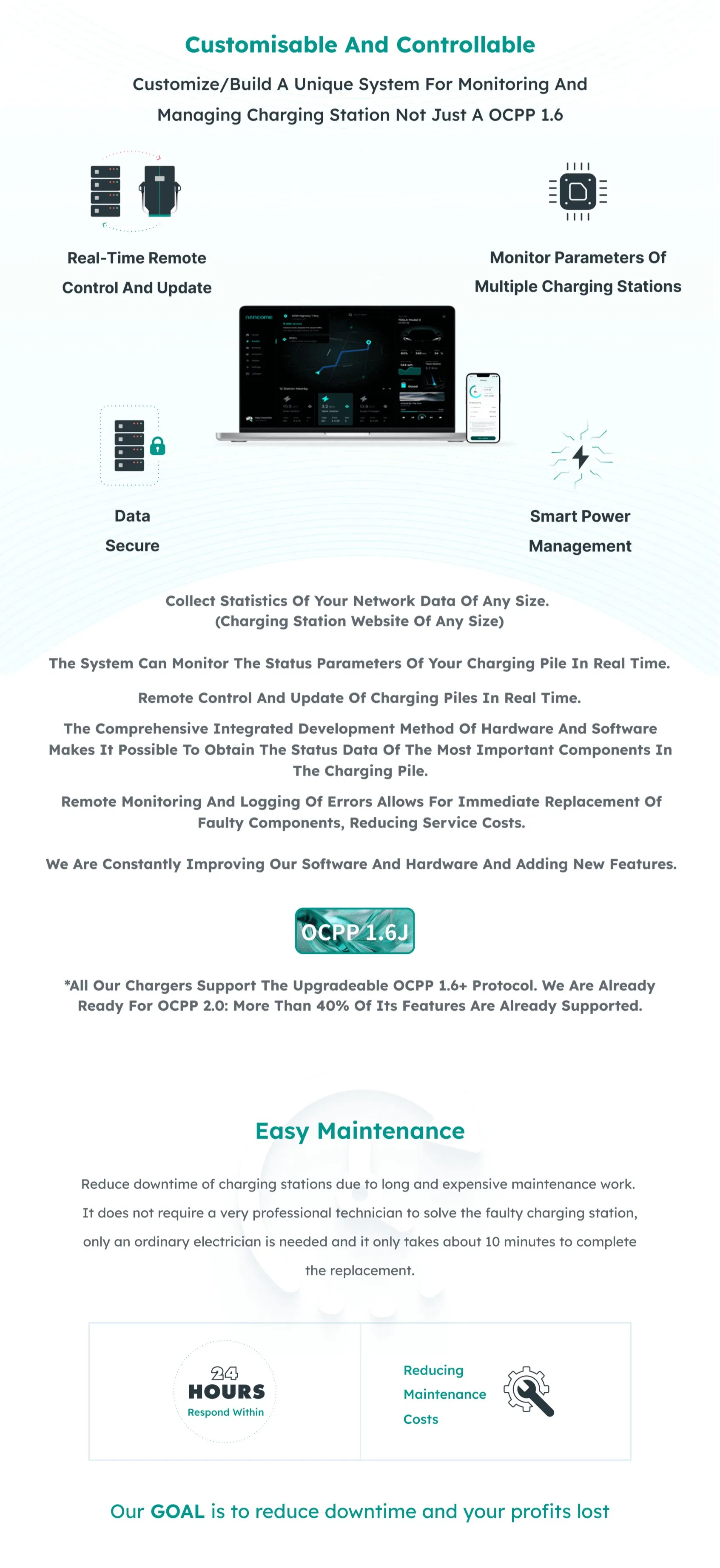
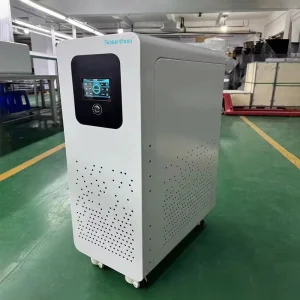
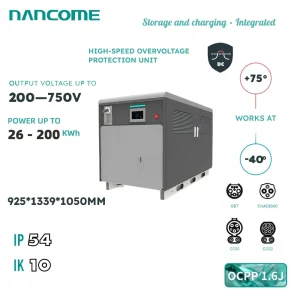
Nancome 26kwh off-Grid Mobile Charging and Energy Storage Solutions

Still deciding? Get samples of $ !
Order Sample

Product Description

i

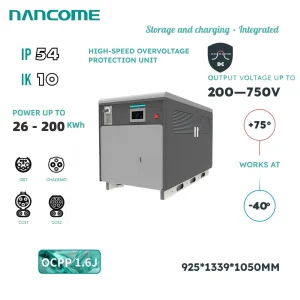
Basic Information

Model NO.NCBCS01
LocationPublic Use
Charging InterfacesOne Pile with One Charge
Start ModeCredit Card, Mobile Remote, RFID
Storage Energy26-200kwh LiFePO4
Output Power20kw-180kw Constant Power
Output VoltageDC200V-1000V
Output Current0-250A
Screen Display7/10 Inch Display
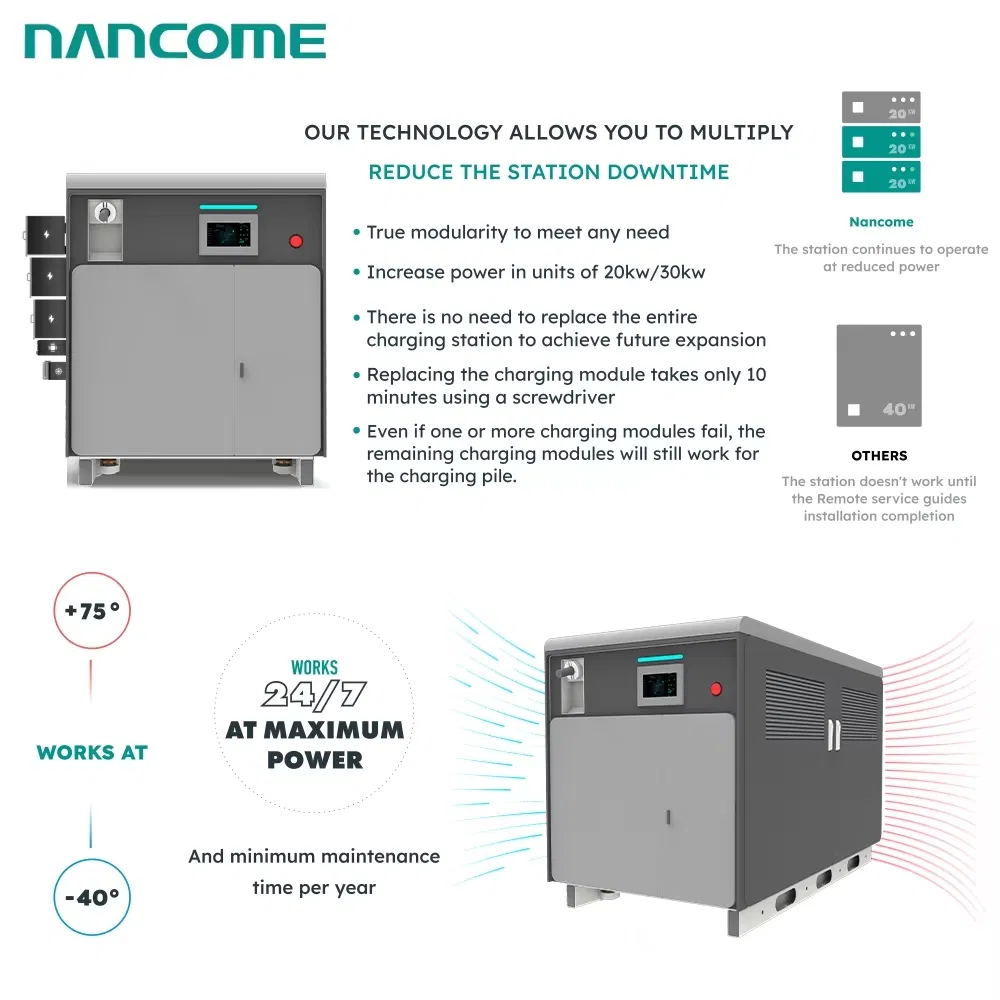
Working Temperature-10°C~+60°C
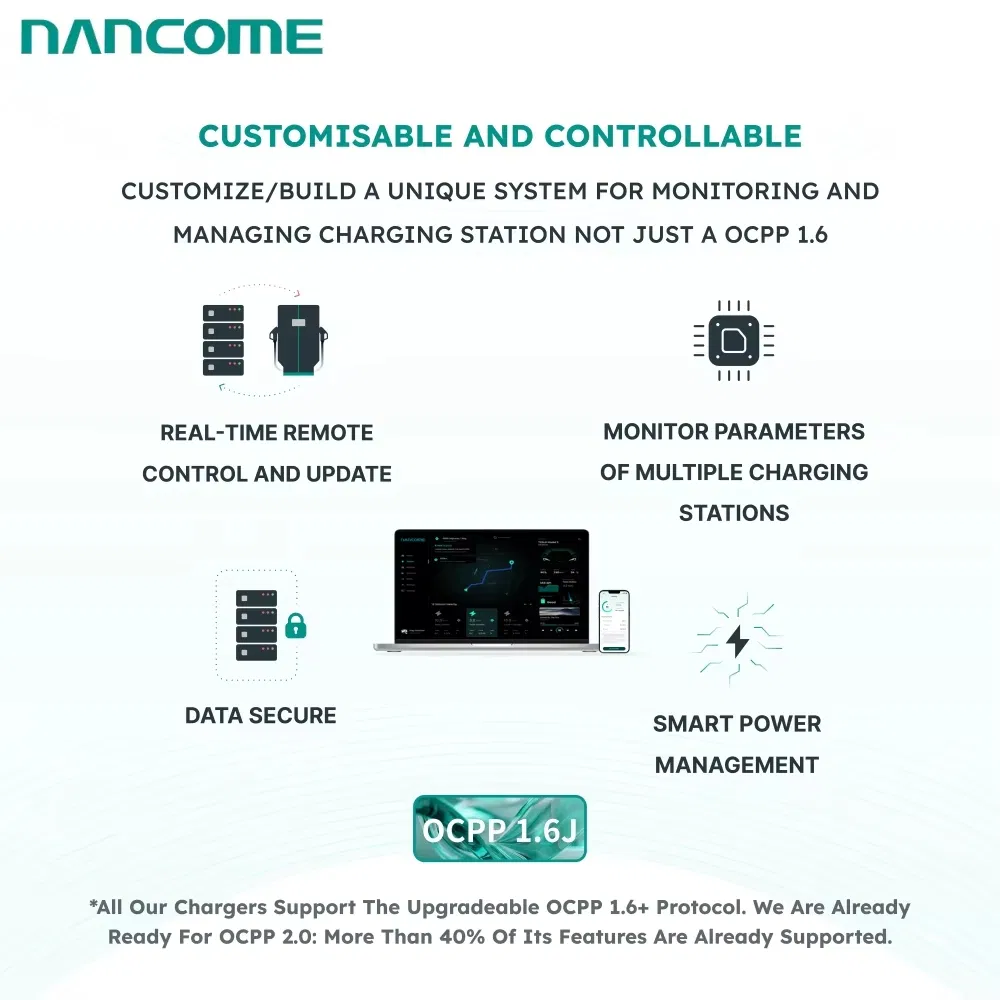
Charge ModeHand/Ocpp
Warranty24 Months
IP GradeIP54
Charging GunGB/T, CCS1, CCS2, Chademo
Weight160kg-2600kg
Production Capacity100 pieces/Month
P

Packaging & Delivery

Package Size260.0cm * 135.0cm * 160.0cm
Package Gross Weight2800.0kg
Transport Package1PCS/Wooden Box
S

Technical Parameters

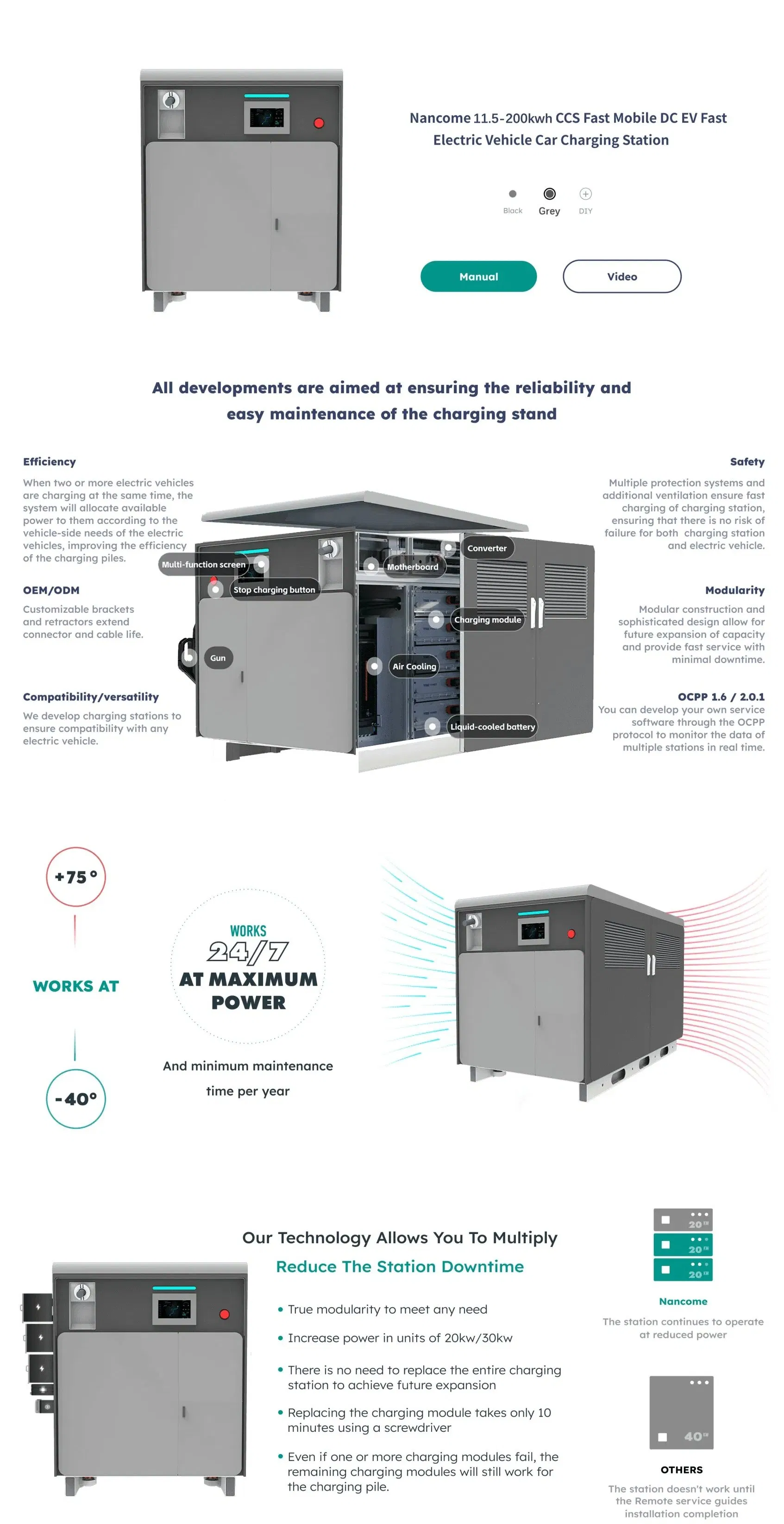
Storage energy 11.5-200kwh lifepo4 Output power 20KW-180KW Constant power
Output voltage DC200V-1000V Output current 0-250A
Charging gun cable 7 meter Screen display 7/10 inch display
Charge mode By hand/OCPP Working temperture -10℃-60℃
IP grade IP54 Charging gun GB/T, CCS1, CCS2, CHAdeMO optional
D

Product Gallery

?

Frequently Asked Questions

1. Are you a factory or trading company?
Yes, we are a professional manufacturer specializing in low and high voltage power distribution cabinets, complete automation systems, EV chargers, and energy storage equipment with over 30 years of production experience.
2. What is the compatibility of the charging interfaces?
Our systems are compatible with CCS1, CCS2, GB/T, and CHAdeMO standards, supporting the majority of mainstream electric vehicles worldwide.
3. How does the system handle grid instability or power outages?
The system is equipped with energy storage and optional diesel backup. It automatically switches power sources during outages to ensure continuous and stable operation.
4. Can the charging and storage units operate in extreme environments?
Yes, our devices offer up to IP65 protection levels and are tested to operate efficiently in temperatures ranging from -20°C to 55°C, including high humidity and dusty conditions.
5. What is the expected service life of the energy storage systems?
The overall system lifespan is approximately 8–10 years. The storage batteries support over 3000 cycles, ensuring long-term reliability and performance.
6. Is it possible to monitor and diagnose the system remotely?
Yes, our solutions include cloud-based platform support, which enables real-time monitoring, remote diagnostics, and automated alerts for efficient management.

Related Products