Immediate response units configured for rapid transit and off-grid operational integration in the Democratic Republic of Congo.
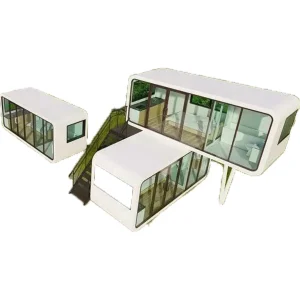
Fully insulated, rapidly deployable modular housing optimized for tropical remote camp environments, featuring high thermal efficiency and termite-resistant framing.
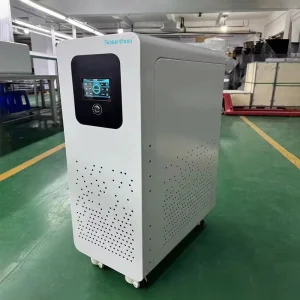
High-capacity hybrid solar array matching modular power storage configurations to deliver stable, 24/7 continuous energy outputs in equatorial microgrids.
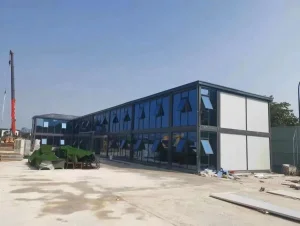
A space-saving, fold-out steel framing container house designed for quick field erection, ideal for remote administrative offices or emergency accommodation.
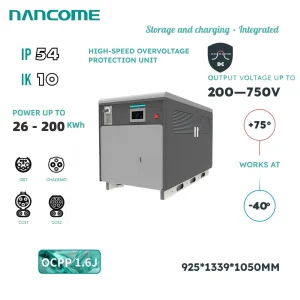
All-in-one solar battery solution combined with smart telemetry, providing stable power for security networks, small camps, and specialized tools.
The Democratic Republic of Congo (DRC) holds some of the world's richest mineral wealth, particularly in the Central African Copperbelt spanning Lualaba and Haut-Katanga provinces. Yet, the rapid expansion of copper, cobalt, tin, and gold extraction faces a persistent infrastructure deficit. Mining operations, geophysical exploration sites, and related logistical nodes must deploy personnel in remote territories far removed from the national power grid (SNEL) and municipal water services. Establishing permanent concrete buildings in these areas is often economically unfeasible and logistically impractical due to raw material transport constraints and regulatory land use parameters.
In regions such as Kolwezi, Likasi, and the remote Kivu provinces, engineering crews encounter extreme environment conditions. These include high humidity levels during the wet season, dense tropical soil conditions, and intense solar radiation. Conventional site accommodation options fail quickly due to timber decay, rust formation on low-grade metal framing, or poor thermal regulation that compromises worker safety. Consequently, modern industrial enterprises operating within the DRC are transitioning to heavy-duty, off-grid modular housing solutions. These structures must integrate robust structural integrity, thermal barriers, and independent utilities—such as water purification, solar generation, and smart battery storage systems—to support uninterrupted operations.
"Off-grid housing in DR Congo is not merely about providing basic shelter; it is about establishing highly resilient, secure, self-sustaining micro-environments that safeguard valuable human resources and precision monitoring equipment under challenging operational conditions."
Across the globe, the rapid shift toward green energy and strategic mineral procurement has accelerated exploration activities in geographically isolated regions. From the lithium deserts of South America to the mineral-dense landscapes of sub-Saharan Africa, international engineering, procurement, and construction (EPC) conglomerates are revising their standards for worker housing and field facilities. Modern regulatory frameworks require developers to minimize their environmental footprints, ruling out permanent foundations and untreated construction waste.
This paradigm shift has established prefabricated modular housing as the global standard for remote operations. Furthermore, integrating smart energy management and localized microgrids within these structures is no longer optional. Industrial operations are moving away from traditional diesel-only generators due to high fuel transportation costs, supply line disruptions, and carbon reduction mandates. Modular, transportable living cabins equipped with high-density battery energy storage systems (BESS) and integrated solar collectors are replacing legacy camp designs. This technology transition ensures that even the most remote exploration camps achieve up to 80-100% energy self-sufficiency, significantly lowering operating costs and improving safety profiles.
Why sourcing from specialized Chinese modular fabrication hubs is the most reliable strategy for DRC project procurement managers.
Sourcing off-grid modular housing systems and localized power solutions directly from Chinese manufacturing centers offers significant advantages in lead times, quality control, and system integration. Prefabricated structural steel components require specialized equipment for precise welding, structural galvanization, and anti-corrosion coating application. Chinese manufacturing zones—such as the industrial hubs in Ningbo—possess fully integrated supply chains. This allows for the simultaneous sourcing of structural steel frame sections, high-efficiency insulation panels, smart electrical distribution units, and solar battery storage packages under one single quality-control umbrella.
This concentration of components translates to a streamlined engineering process where modular houses and their corresponding off-grid power systems are tested for compatibility before container packaging. Instead of dealing with disparate vendors for solar storage panels, battery management systems (BMS), structural frameworks, and internal furnishings, buyers receive fully integrated systems. These units are containerized for efficient shipping and designed for rapid bolt-together assembly on-site. The cost efficiency of scale in Chinese manufacturing enables us to specify high-durability materials—such as hot-dip galvanized steel frames, fireproof rockwool insulation panels, and high-efficiency LFP battery cells—at competitive price points.
Engineered housing solutions designed for specific industrial, environmental, and commercial sectors across the region.
Mining exploration crews require durable, temporary accommodation that can be disassembled and relocated when exploration sectors shift. Expandable container units and light-gauge steel dormitories provide secure housing, administrative offices, and dry mess halls. Integrated off-grid solar power systems reduce reliance on diesel deliveries, ensuring that communication links, ventilation, and lighting remain powered during supply line disruptions.
In conservation zones like Virunga National Park, traditional construction can damage delicate local ecosystems. Prefabricated eco-capsules and space cabin units offer premium tourist accommodation with minimal environmental footprint. These cabins require no permanent foundation, use self-contained solar systems, and feature built-in water filtration systems to protect local water tables.
Road expansion, hydro-power installation, and telecom grid construction projects require temporary operations centers that move with the project. Modular flat-pack cabins serve as onsite offices, emergency medical facilities, and secure equipment storage. Integrating mobile solar power packages ensures communication links and monitoring equipment remain online through all construction phases.
15 Years of Industrial Excellence in Steel Structures & Modular Cabin Design
Ningbo Stayvora House Co., Ltd. designs and manufactures space system solutions for modern integrated cabins, mobile houses, container renovation projects, smart communities, and specialized industrial shelters. Our company grew from a professional enterprise dedicated to the design, production, and manufacturing of building hardware and structural steel elements. This foundation includes 15 years of experience supplying high-durability products to European and American markets.
Since 2022, Stayvora has integrated digital structural engineering with advanced solar microgrids and off-grid utilities. Our modern manufacturing base uses automated steel preparation and panel lamination equipment. This allows us to offer standard modular building products alongside custom configurations tailored to specific climates and sites. By designing around the core principles of stylish design, practical utility, occupant comfort, and environmental sustainability, Stayvora delivers self-sustaining modular spaces worldwide.
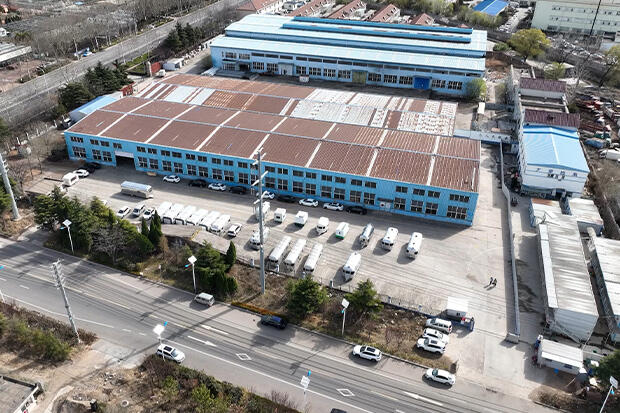
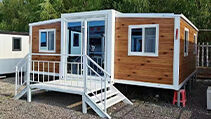
High-capacity power systems and modular structures designed for reliable off-grid utility infrastructure.
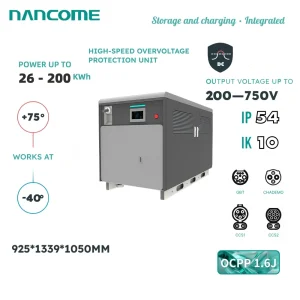
A heavy-duty commercial energy storage station featuring smart power distribution, configured to charge site transport vehicles and power camp utilities.
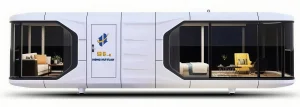
A modern, steel-framed living capsule featuring double-glazed viewing panels, integrated HVAC, and pre-wired electrical connections for remote sites.
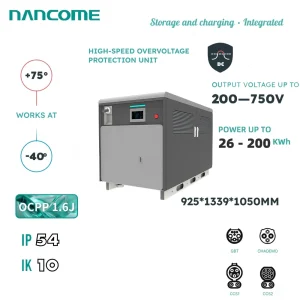
A high-capacity industrial power station designed to run remote heavy equipment, camp offices, and microgrid distribution hubs.
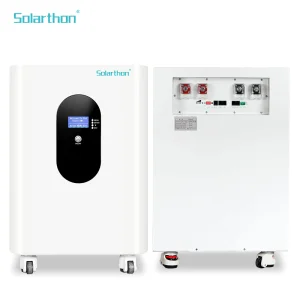
A compact wall-mounted lithium-iron-phosphate (LFP) energy storage unit, ideal for individual manager cabins and office trailers.
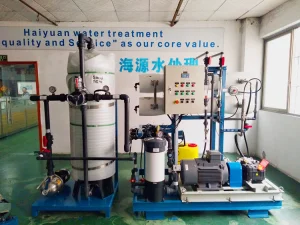
A trailer-mounted reverse osmosis purification system, capable of converting mineral-heavy borehole water into potable water for camp use.
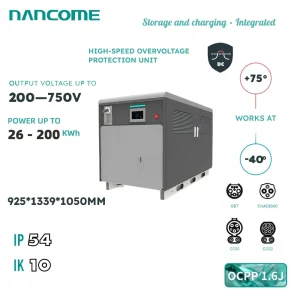
A transportable containerized energy bank that integrates solar and wind inputs, designed to power remote exploration outposts.
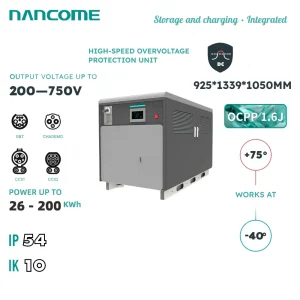
A smart BESS unit featuring remote 4G/satellite telemetry integration, allowing managers to monitor energy states from any location.
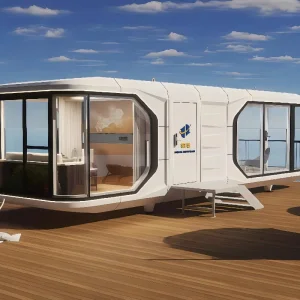
A light-gauge steel modular framing kit optimized for rapid assembly of camp offices, accommodation blocks, and guest cabins.
The next generation of off-grid modular housing is defined by structural material innovations and smart automated controls. Energy conservation standards now require the use of polyurethane sandwich panels with integrated vacuum insulation layers. These panels minimize thermal transfer and reduce HVAC energy demands by up to 45%. Furthermore, structural steel coatings are moving from simple paints to advanced zinc-aluminum-magnesium alloy coatings. This provides superior scratch resistance and self-healing properties along exposed edges during transport and handling.
On the utility side, off-grid energy storage systems are moving toward smart solid-state batteries and high-temperature lithium formulations. These materials operate reliably in warm climates without requiring active air-conditioning systems. In addition, centralized energy monitoring systems are incorporating machine-learning algorithms to analyze historical weather patterns. This allows them to adjust battery discharge profiles and optimize generator run times automatically. Integrated water purification units are also adopting low-power filtration technologies, enabling crews to recycle greywater for utility use and reduce overall water sourcing requirements.
Procurement teams deploying assets to the DRC must navigate complex logistics and compliance requirements. Modular buildings and power setups must be designed to fit within standard shipping containers to avoid high breakbulk freight rates. Packaging layouts must ensure that sensitive solar panels, delicate lithium batteries, and heavy steel framing sections are balanced and secured to prevent damage along overland transit corridors. These routes typically travel from the port of Matadi or via the East African corridors (Dar es Salaam and Mombasa) through to the copperbelt regions.
Additionally, structural components must be engineered to meet wind load standards of up to 120 km/h and seismic zone requirements for Eastern DRC. All electrical systems must use flame-retardant cabling, and distribution boxes must incorporate surge protection to handle lightning strikes. Sourcing from a single supplier that provides pre-integrated structural packages and off-grid power units simplifies the verification process. This ensures that when the containers arrive on site, all components assemble and connect correctly, avoiding costly delays in remote locations.
Key questions regarding delivery, custom configuration, structural limits, and on-site integration in Central Africa.
 Stayvora House