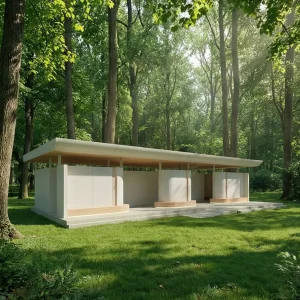
Mali, a landlocked nation at the heart of West Africa, is currently navigating a pivotal era of urbanization and industrial growth. As cities like Bamako, Kayes, and Mopti expand, the traditional construction sector faces immense pressure from rising material costs, skilled labor shortages, and the urgent need for climate-resilient housing. Sustainable Prefabricated Architecture has emerged not just as a trend, but as a critical infrastructure solution.
Ningbo Stayvora House Co., Ltd. recognizes the unique geographic and climatic challenges of Mali—ranging from the arid Saharan winds in the north to the humid tropical savanna in the south. Our integrated space system solutions are engineered to thrive in these extremes, providing thermal insulation, seismic stability, and rapid on-site assembly.
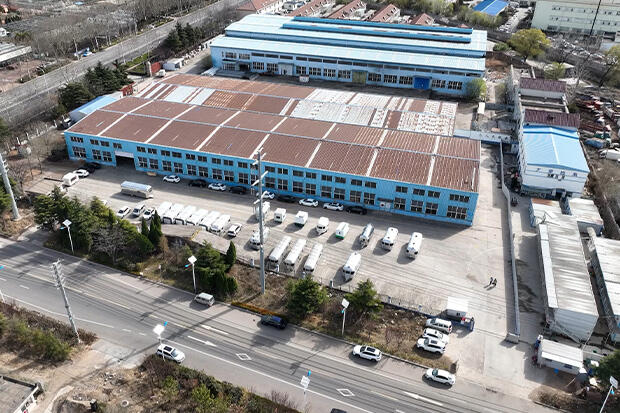
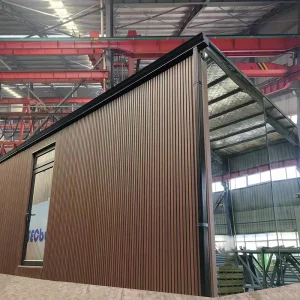
Modern architecture is moving toward Modular Volumetric Construction (MVC). Globally, the prefabricated housing market is projected to reach $153 billion by 2026. This shift is driven by the need for "Net Zero" carbon footprints and the "Circular Economy." In Mali, this translates to reducing the dependency on high-carbon concrete and adopting precision-engineered steel structures that minimize waste on-site.
For the Malian market, Stayvora offers specific adaptations:
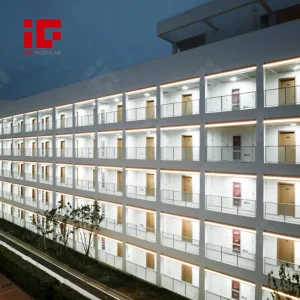
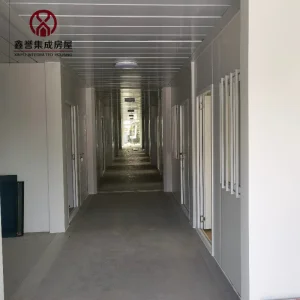
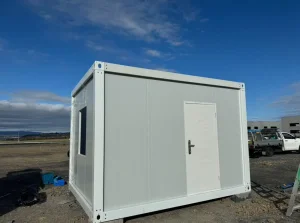
Durable workforce housing for gold mining regions in Kayes and Sikasso, ensuring safety and comfort in remote areas.
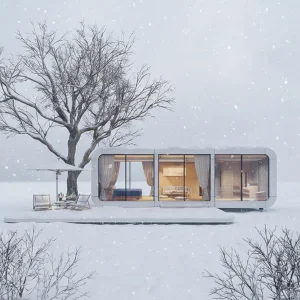
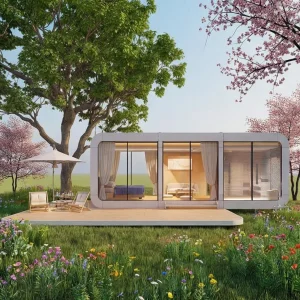
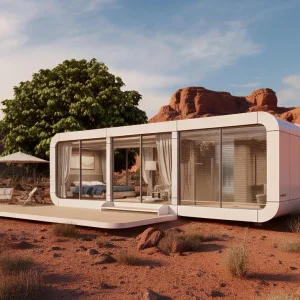
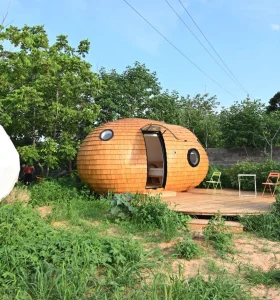
Luxury "Space Capsules" for the Dogon Country or Niger River resorts, offering minimal ecological impact and high ROI.
Smart communities and digital shops in Bamako’s business districts, deployable in weeks rather than months.
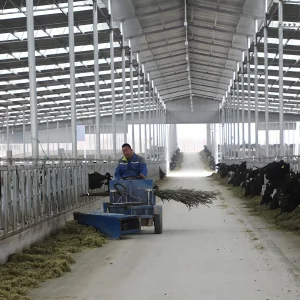
Prefabricated poultry farms and storage warehouses designed for the specific needs of Malian agriculture.
Ningbo Stayvora House is committed to pushing the boundaries of AI-driven architectural design. Our future roadmap for the Malian market includes:
Phase 1 (2024-2025): Implementation of Phase-Change Materials (PCM) in wall panels for enhanced thermal mass, reducing the need for AC in Malian homes by 40%.
Phase 2 (2025-2026): Expansion of "Smart Community" clusters in Mali, integrating IoT sensors for water management and decentralized energy monitoring.
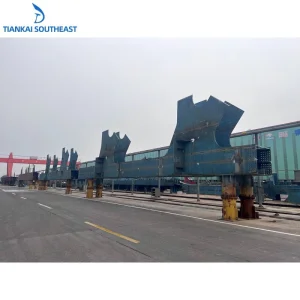
Phase 3 (2027+): Localization of final assembly hubs in Bamako to foster local employment and further reduce shipping costs for heavy steel structural components.
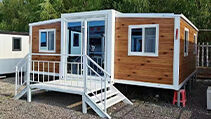
With a 15-year industrial foundation serving the stringent quality requirements of European and American markets, Ningbo Stayvora House Co., Ltd. stands as a beacon of reliability. Our transition in 2022 towards smart integrated housing represents the synergy of Experience (15 years in steel hardware), Expertise (Professional R&D teams), Authoritativeness (Global supply chain reach), and Trustworthiness (Stringent QC management).
We don’t just sell "houses"; we provide "Space System Solutions." From standardized units to bespoke architectural designs, our goal is to bring "Stylish, Practical, Comfortable, and Green" spaces to Mali and the world.
Our structures are engineered to meet Eurocode 3 standards (Steel Structures), which are widely accepted in Mali, while also incorporating resistance to Saharan wind loads (up to 120km/h) and soil conditions unique to the Niger basin.
We provide full customs support and logistics documentation for the Dakar-Bamako corridor. Each shipment includes a detailed assembly manual and a digital "BIM" model to guide local contractors through the installation process.
Typically, shipping takes 35-45 days from Ningbo. Once on-site, a standard 50sqm capsule can be installed in less than 48 hours with a crew of three and a crane.
Yes. We use high-density rock wool or polyurethane (PU) sandwich panels with low thermal conductivity. Additionally, our "Apple Cabins" feature reflective coatings and double-glazed tempered glass with Low-E protection.
Absolutely. One of the greatest advantages for Malian mining or temporary commercial projects is the "Mobile" nature. Units are built on integrated steel chassis that allow for relocation without structural damage.
Our hot-dip galvanized steel frames are designed to last over 50 years. We use specialized anti-corrosion coatings to protect against the humidity found in southern Mali during the rainy season.
 Stayvora House