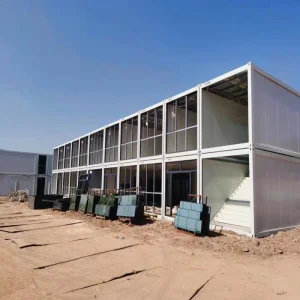
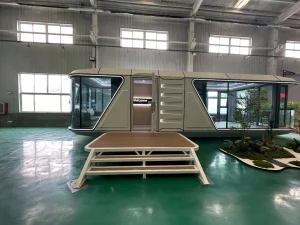
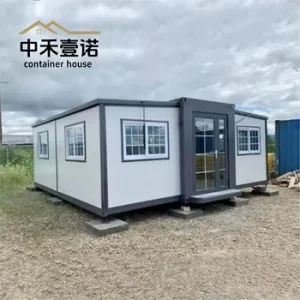
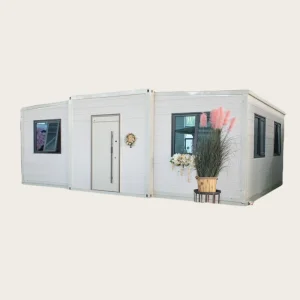
Rapid-deploy modular designs optimized for tropical island topography, high saline air resistance, and coastal durability.
An Industrial and Environmental Landscape Assessment
Trinidad and Tobago, positioned as the industrial powerhouse of the Caribbean, faces a unique confluence of economic growth, geographical constraints, and extreme climate exposure. From the energy sector hubs in Point Lisas and offshore drilling operational bases to the pristine eco-tourism expansion in Tobago, traditional brick-and-mortar construction projects face severe limitations: long build times, heavy environmental impact, escalating labor costs, and vulnerability to seismic and hurricane hazards.
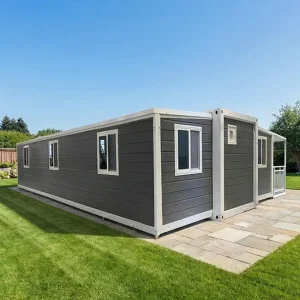
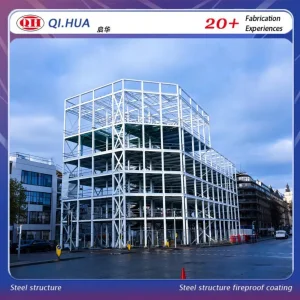
Modern integrated portable cabins, space capsules, and structural light steel prefab homes have transition from temporary solutions into primary structural assets. To meet these challenges, Ningbo Stayvora House Co., Ltd. leverages a highly robust Chinese engineering supply chain, configuring prefabricated structures that withstand the aggressive marine corrosion of coastal Trinidad and Tobago while optimizing transport costs through standardized container freight sizing.
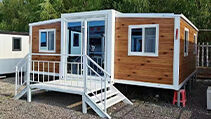
Designing portable structures for Trinidad and Tobago requires precision engineering. The twin-island republic lies within the southern boundary of the Atlantic hurricane belt and experiences high humidity, torrential wet seasons, and seismic activities from the Caribbean plate boundary. Standard modular homes built for temperate zones quickly degrade under high humidity and rust under the coastal winds saturated with chloride ions.
Stayvora’s material specifications are specifically customized for this region: we employ heavy-gauge structural steel frames that undergo intensive Hot-Dip Galvanization (HDG) treatment, followed by marine-grade powder coatings. Internal wall elements feature high-density polyurethane (PU) or rock wool cores providing fire protection, acoustic decoupling, and superior thermal resistance, drastically lowering local air conditioning energy expenditure.
How Stayvora Modular Spaces Integrate into T&T’s Diverse Economic Sectors
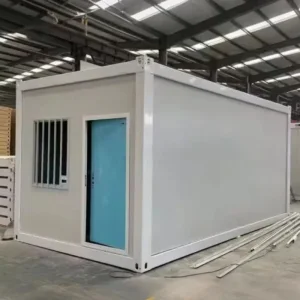
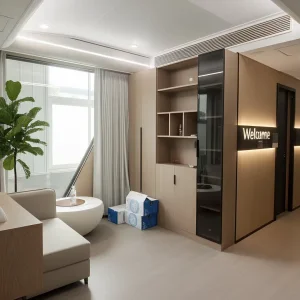
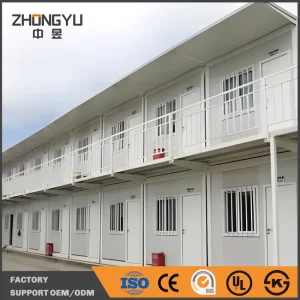
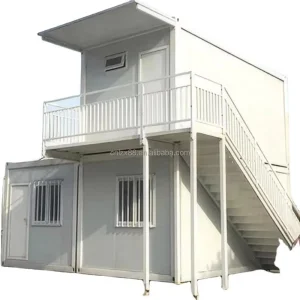
With massive operations in the Columbus Basin and marine fields, onshore support centers require fast-deploying, weather-resistant structural cabins. Stayvora's portable steel cabins offer highly secure, comfortable, and acoustically insulated living units for petroleum engineers and operations technicians, minimizing camp setup periods from months to days.
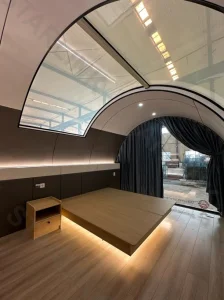
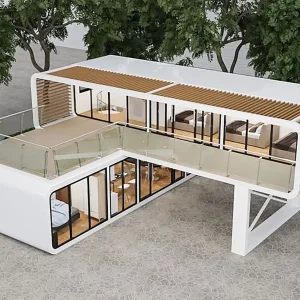
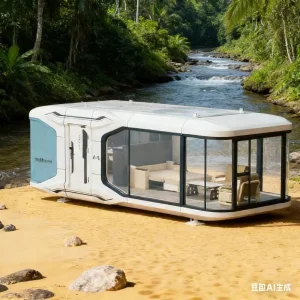
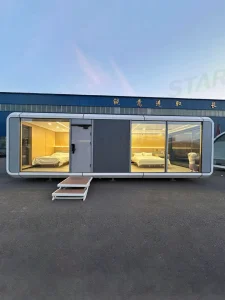
Tobago's pristine eco-tourism market demands high-end spaces with minimal environmental disturbance. Our futuristic Space Capsule and Ecopod models act as pre-assembled boutique hotel rooms. Their low-impact foundation designs preserve local soils, root networks, and coastal ecosystems, offering visitors smart, comfortable amenities amid wild landscapes.
In the event of weather emergencies or tropical storms, rapid deployment of coordination hubs, emergency triage spaces, and community shelters is critical. Modular portable housings are flat-packed or pre-fabricated, enabling transport via cargo trucks to remote areas in Trinidad, ready for immediate occupancy with built-in plumbing and electrical systems.
The Advanced Science of Modular Longevity and Wind Stability
Stayvora's design and manufacturing engineering path focuses on three core performance domains: structural load path continuity, corrosion mitigation, and environmental optimization. Utilizing advanced CAD modeling and Finite Element Analysis (FEA), our engineers simulate Category 5 wind loads (up to 250 km/h) to optimize column spacing, structural wall thickness, and specialized connection systems.
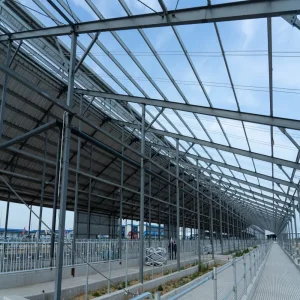
All load-bearing structures are fabricated using Q235B or Q355B structural steel. After welding, the entire structural frame is hot-dip galvanized with a zinc coating thickness exceeding 80 microns, providing a robust sacrificial anode barrier against saline humidity. It is then finished with an epoxy-rich primer and polyurethane topcoat to resist UV radiation degradation.
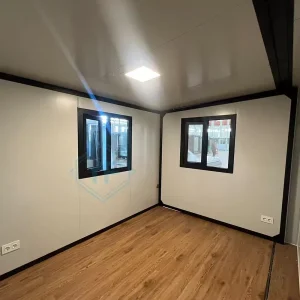
Tropical climates cause heavy thermal gain through roofs and walls. Stayvora uses double-density rock wool or polyurethane sandwich panels with integrated thermal breaks. This prevents thermal bridges, ensuring interior spaces stay cool with minimal air conditioning reliance. The double-glazing Low-E tempered glass windows block infrared and UV light, reducing heat transfer into the building.
| Wind Load Resistance | Class 12 (≤250 km/h) |
| Seismic Performance | Fortified Intensity Level 8 |
| Steel Coating Tech | HDG (80μm+) + Anti-corrosive Powder |
| Wall Thermal Conductivity | ≤ 0.035 W/(m·K) (PU core) |
| Roof Drainage Velocity | 120 mm/hour (Internal downspouts) |
| Design Lifespan | Over 30 Years (with maintenance) |
How Ningbo Stayvora House Delivers Unrivaled Efficiency and Cost Optimization
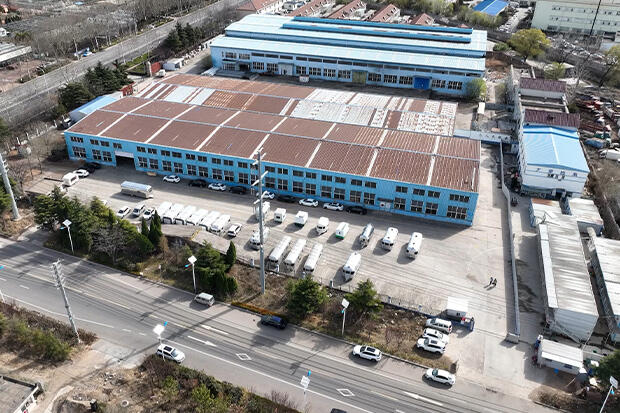
Based in the manufacturing core of Ningbo, China, Stayvora draws from a vast ecosystem of steel mills, precision hardware manufacturers, smart appliance providers, and composite material fabricators. Over 15 years of delivering to European and North American projects has helped us build a highly efficient supply chain that guarantees short production times and consistent quality control.
Shipping logistics are integrated into the initial layout phase. Each modular room, space capsule, or flat-pack cabin is configured to match standard dimensions for 40-foot High Cube (HQ) shipping containers or ocean flat racks. This sizing prevents costly shipping surcharges. Upon arrival at Port of Spain or Point Lisas Port, local transport crews can easily load the units onto conventional flatbed trucks for delivery to sites across Trinidad and Tobago.
Meeting Local Caribbean Codes and International Quality Standards
Our prefabricated housing structures conform to the Caribbean Uniform Building Code (CUBiC) parameters for high-wind geographic regions, guaranteeing long-term safety during hurricane seasons.
All plumbing fixtures, distribution lines, and electrical conduits are configured to meet local voltage requirements (115V/230V, 60Hz) and comply with international fire protection standards.
Stayvora utilizes eco-friendly insulation cores and zero-VOC interior finishes, fulfilling international sustainability parameters for green building practices and preserving local biodiversity.
Browse our complete catalog of mobile villas, space capsules, and weather-resistant steel cabins.
Engineering, Shipping, & Site Setup Answers for Trinidad and Tobago Projects
 Stayvora House