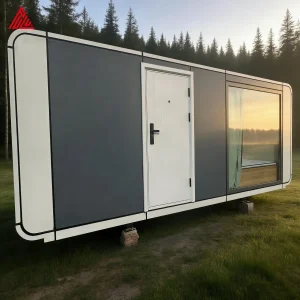
1. Simple Introduction:
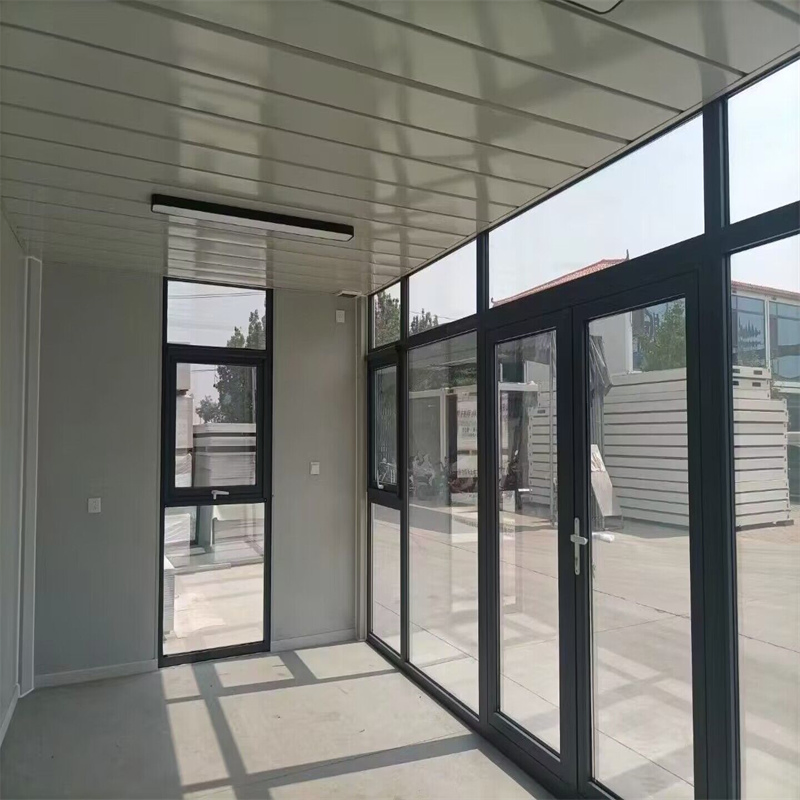
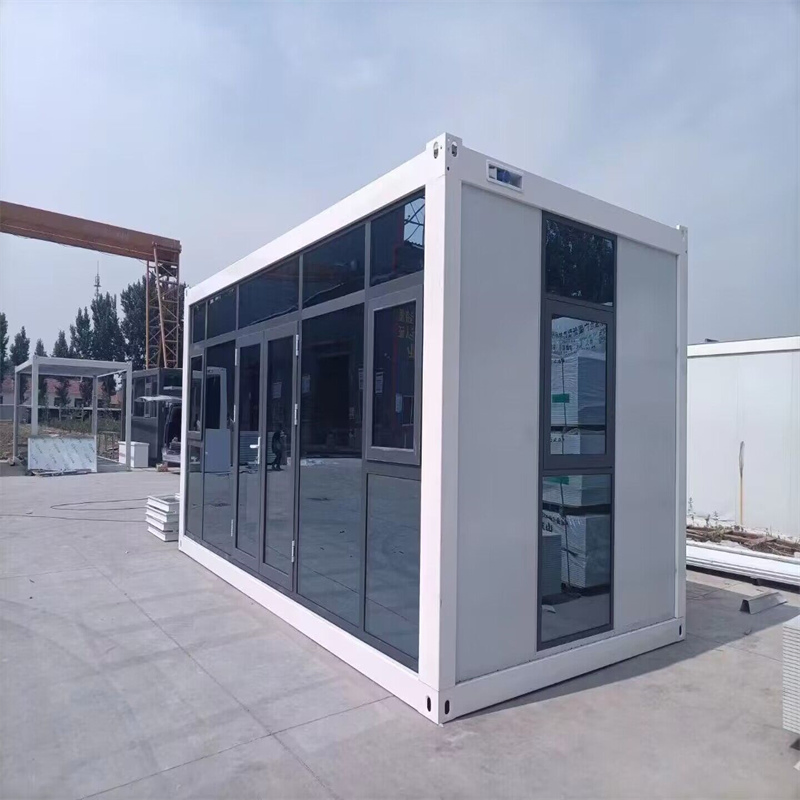
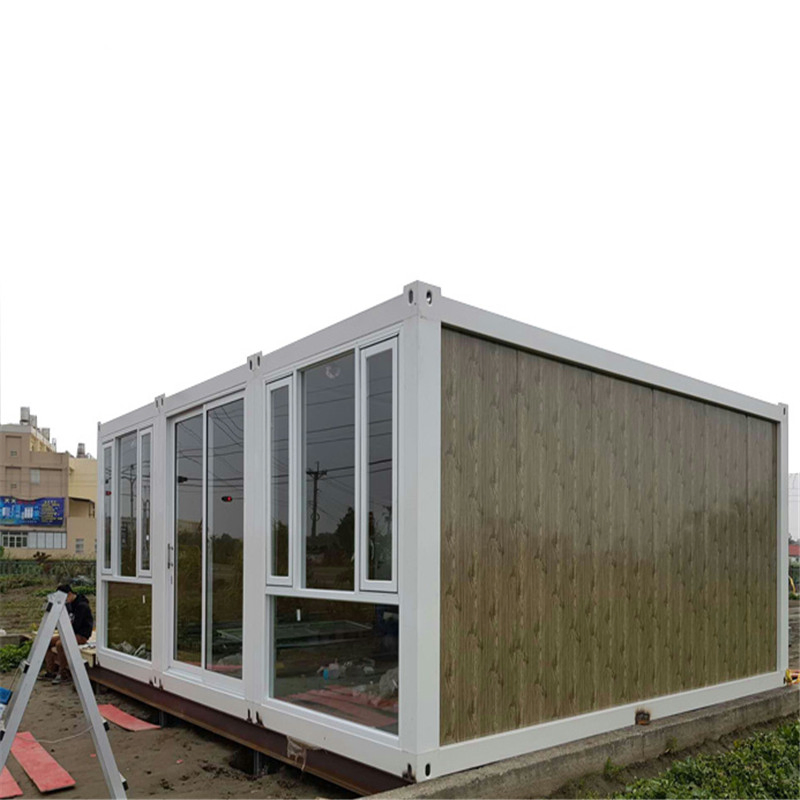
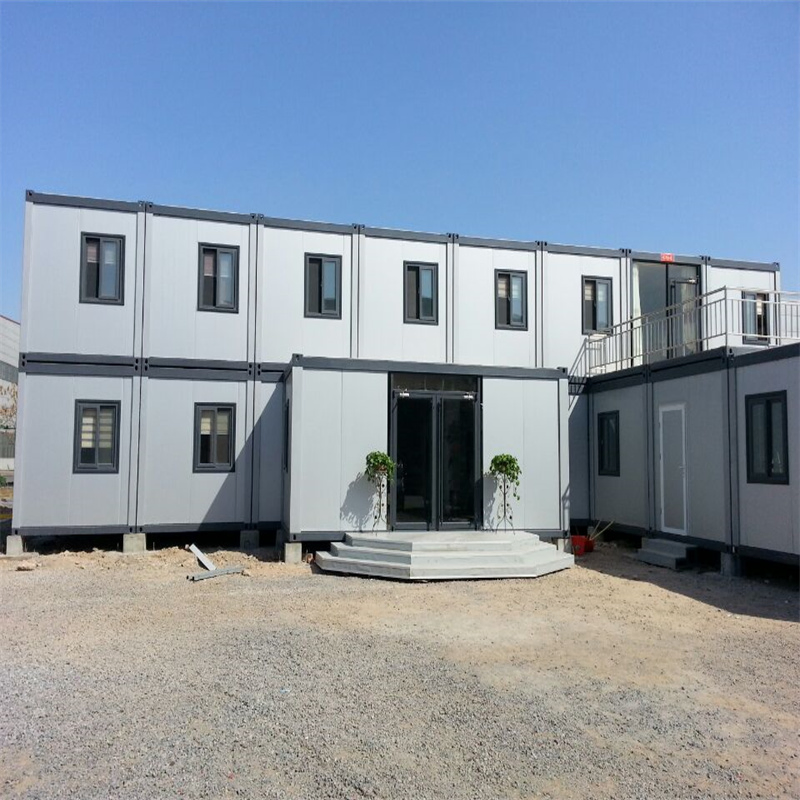
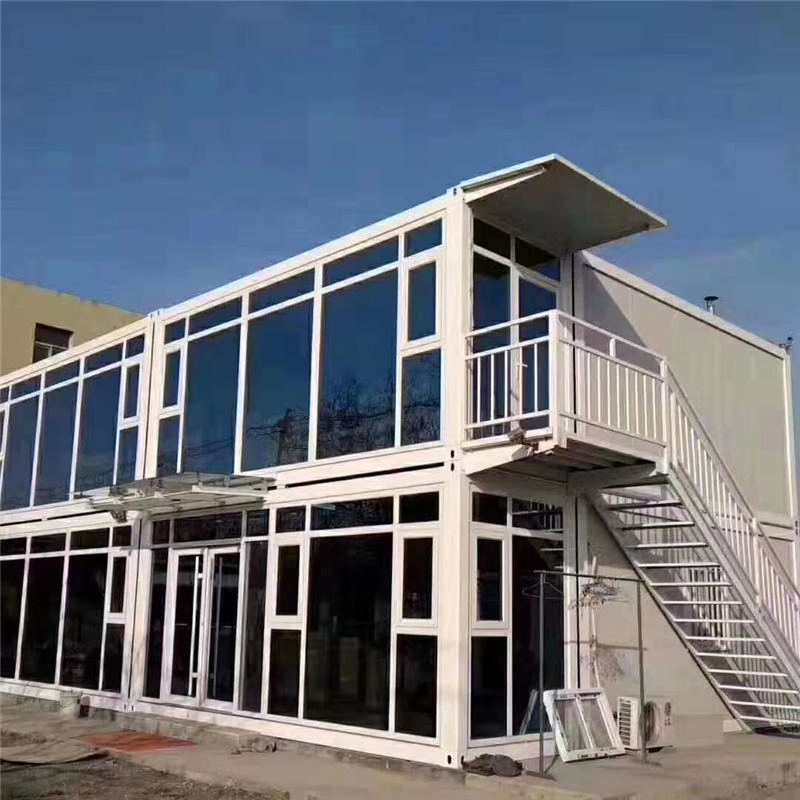
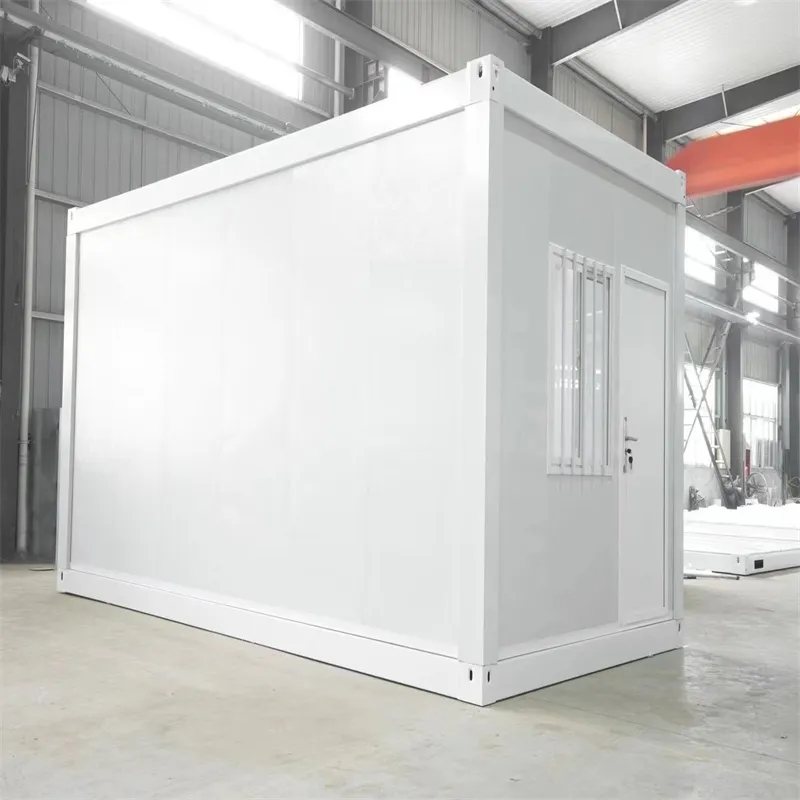
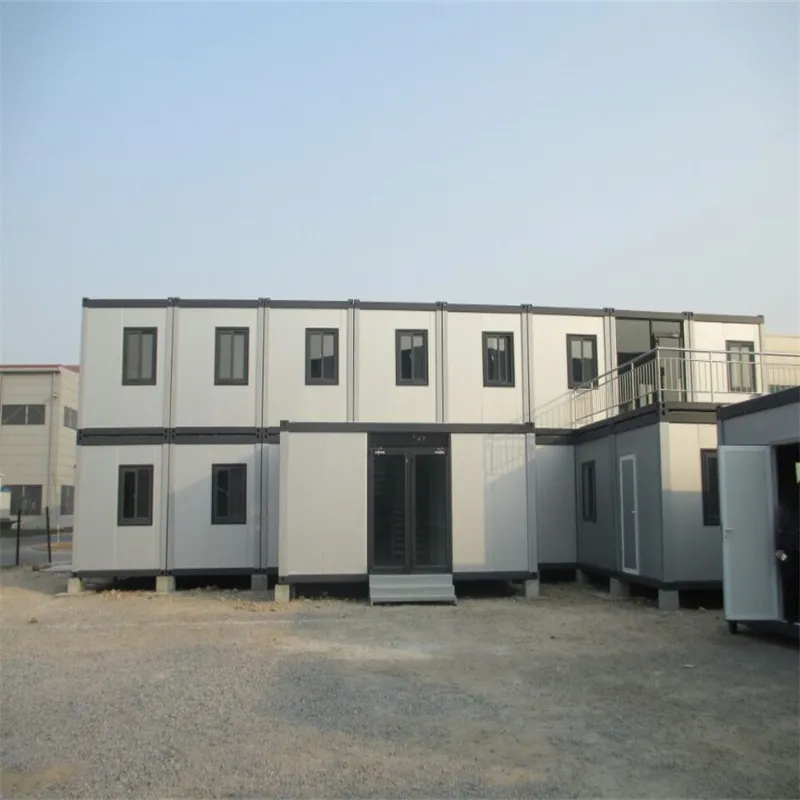
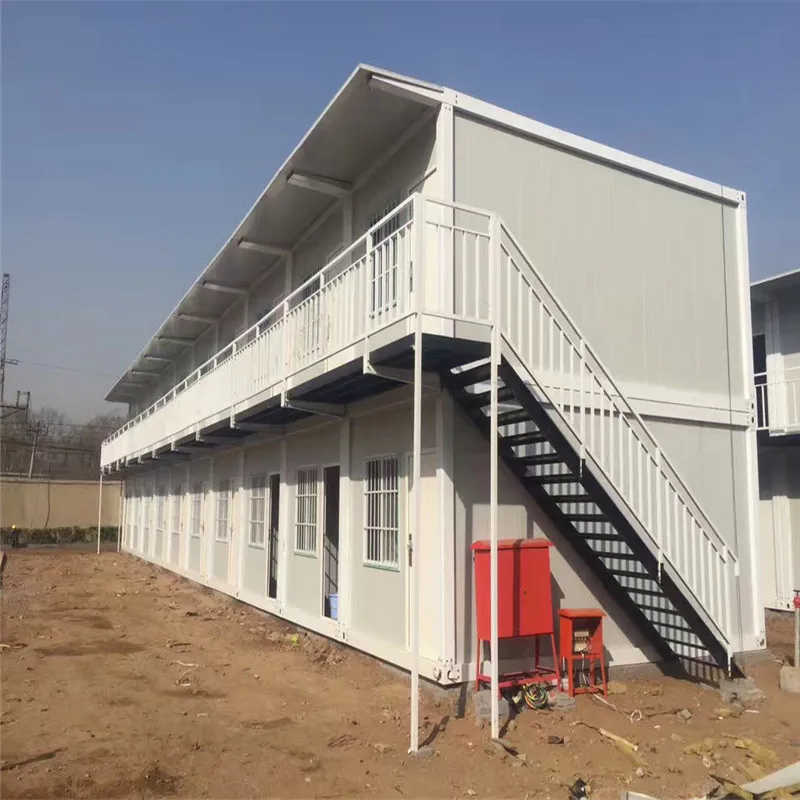
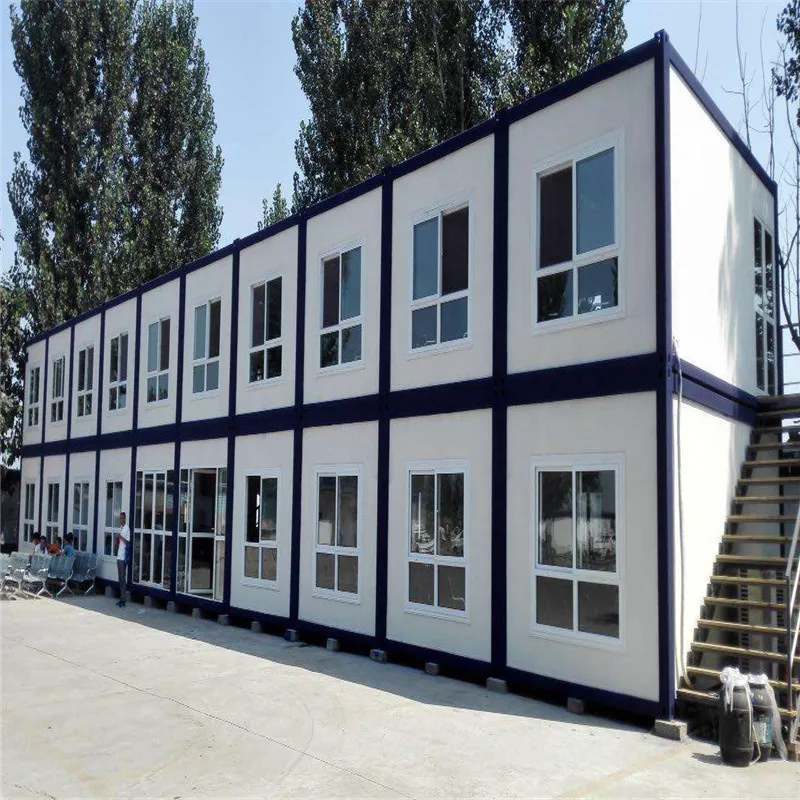
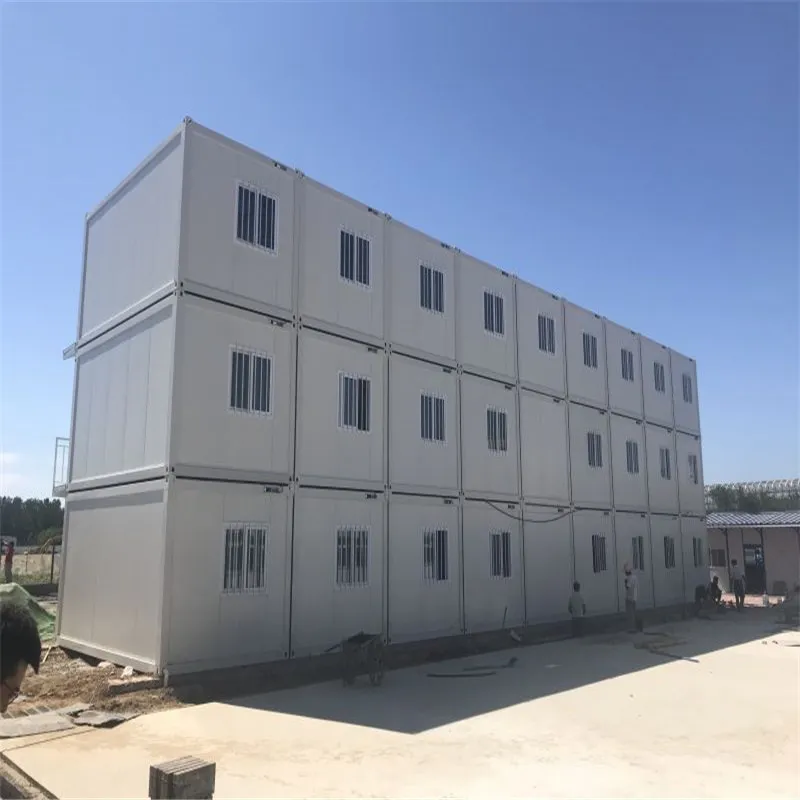
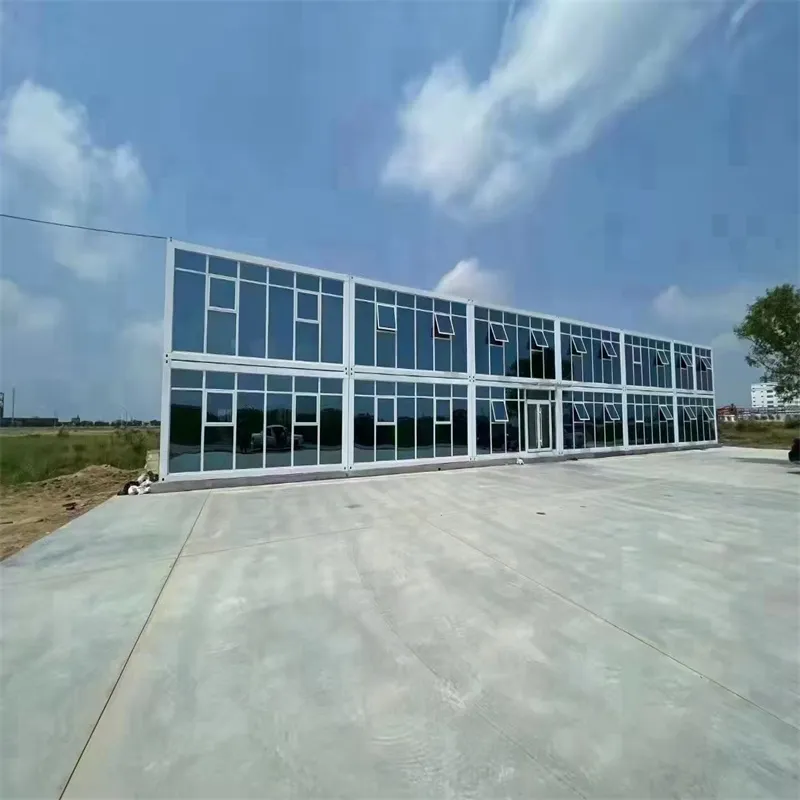
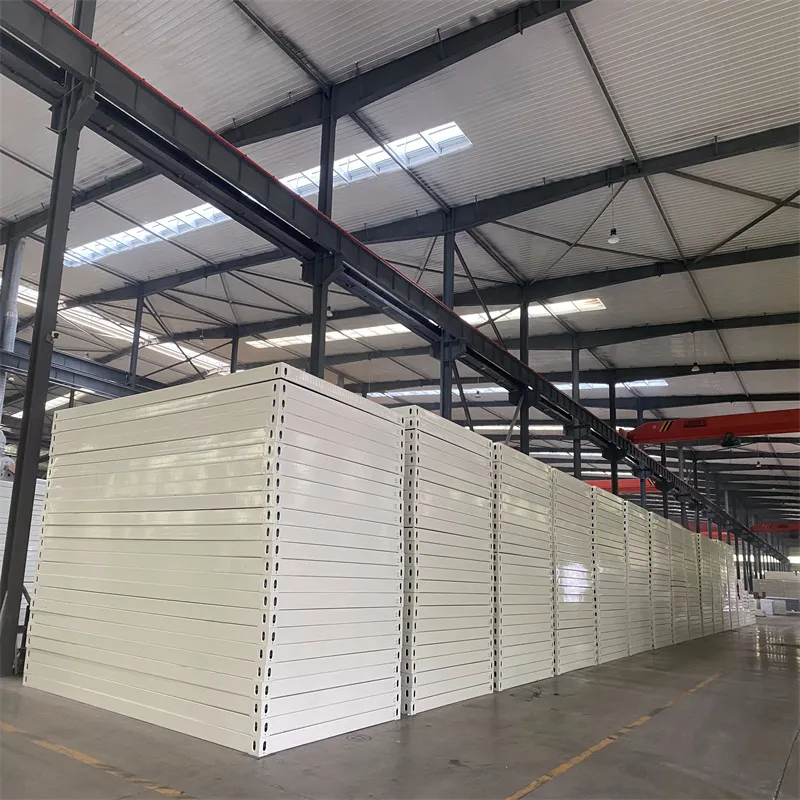
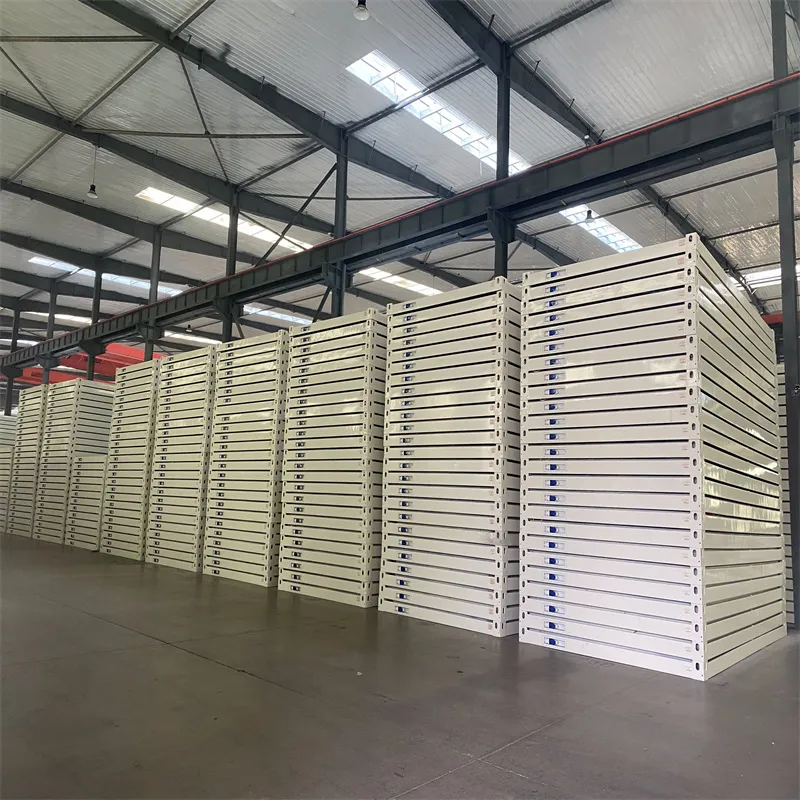
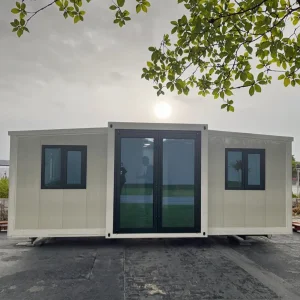
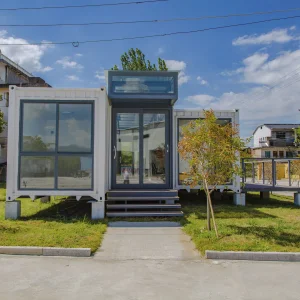
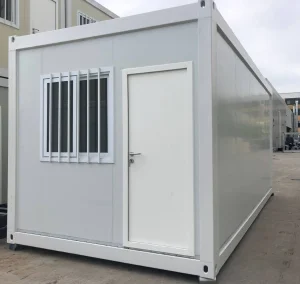
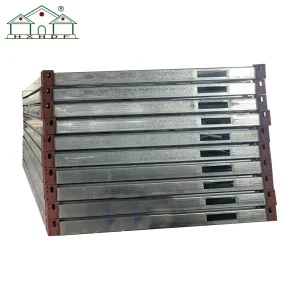
Prefabricated house adopts new modular technology for mass production, using a kind of light steel as skeleton and sandwich board as shielding materials. Its components are connected with bolts, which can be quickly assembled and disassembled and can be recycled for many times, without building garbage. Prefabricated house realizes general standardization of the temporary building, setting up a fast and efficient concept of environmental protection and energy saving.
2. Main Products and Usage:
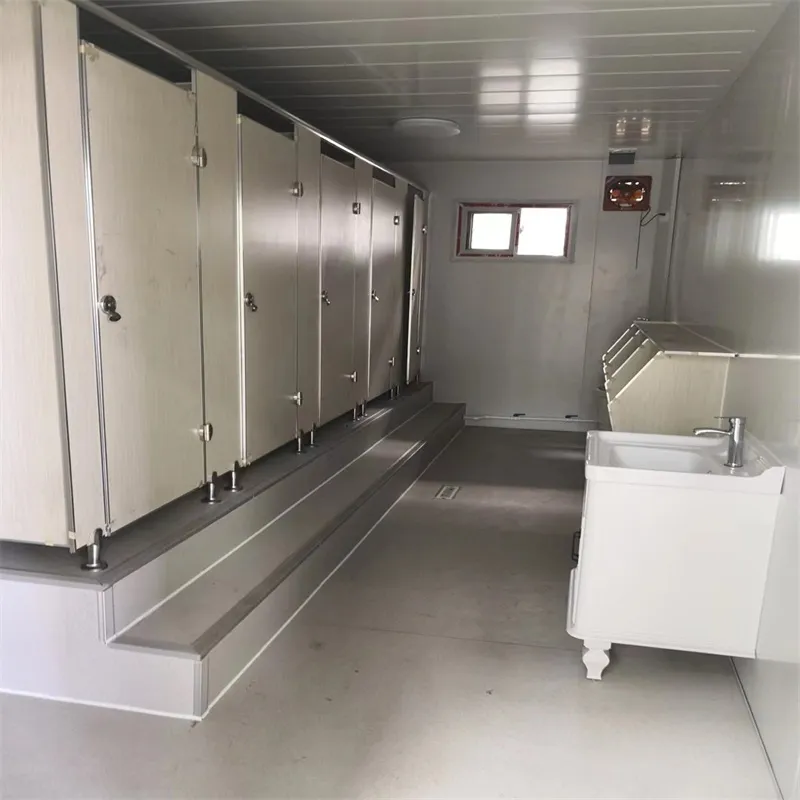
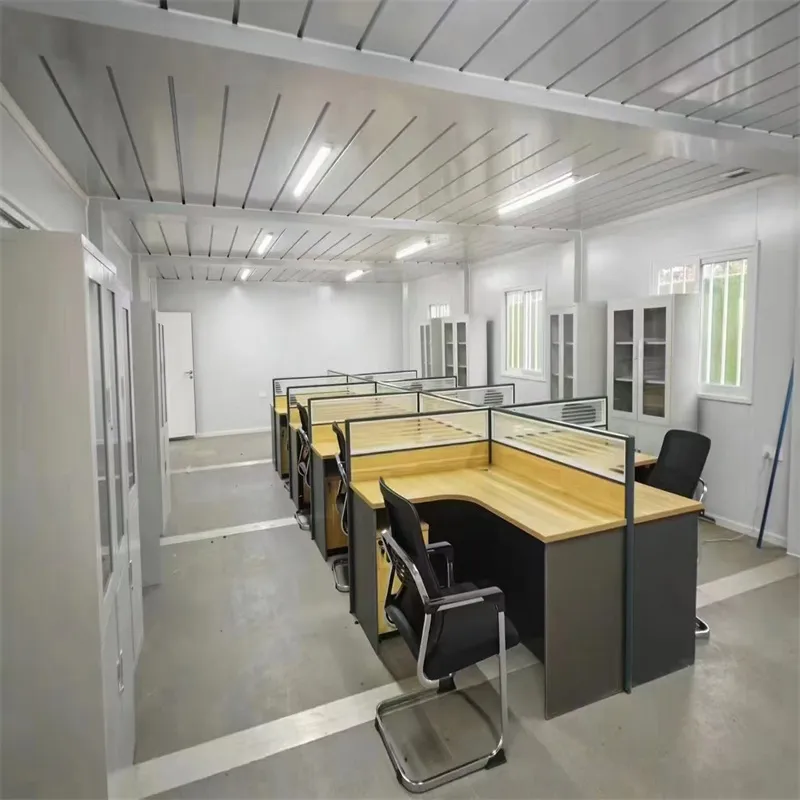
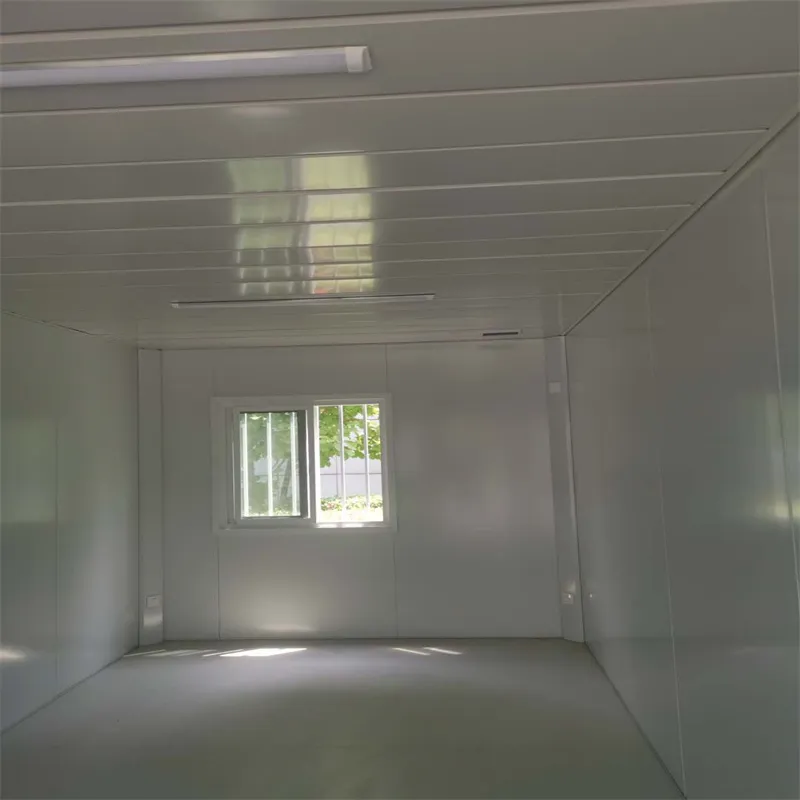
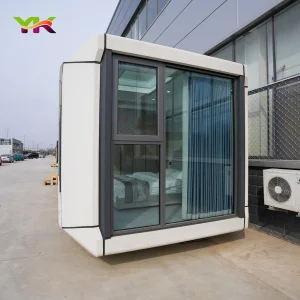
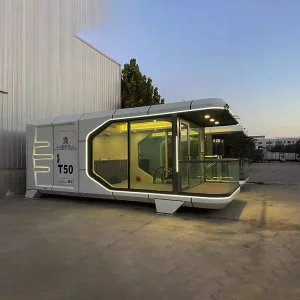
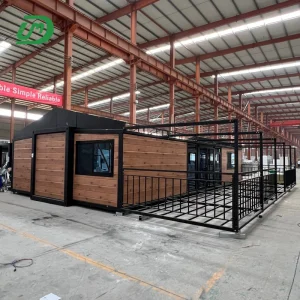
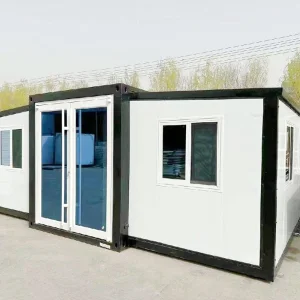
Prefabricated house mainly contains container house, camping house, mobile house, villa house, garage, sentry box, etc. It can be used as temporary housing on the construction site or any place, such as office, meeting room, dormitory, exhibition center, shop and so on, which has scientific and humanized design, attractive appearance, environment friendly, high durability and super-weatherability.
Technical Specifications
| Product name | Prefabricated house |
| Wall | Sandwich panel |
| Thickness | 50/75/100mm |
| Roofing | Corrugated steel roofing or the sandwich panel |
| Door | Aluminum frame door or security door |
| Windows | PVC Window or Plastic Steel Window with glass |
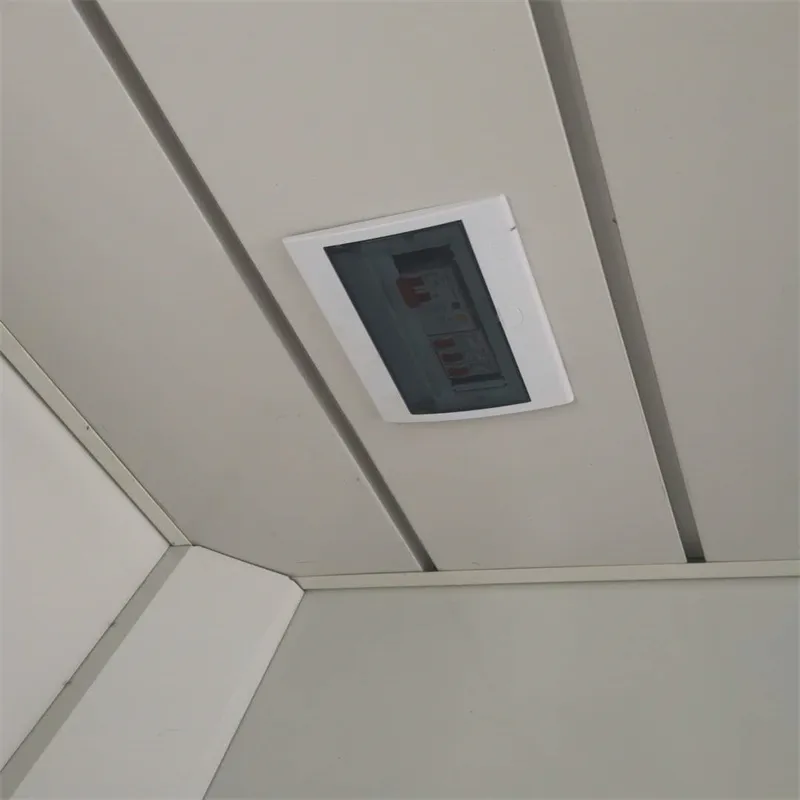
| Ceiling | 8-15mm PVC ceiling panel |
| Rust-proof | Painted or galvanized |
Material Breakdown
▶Main structure: light gauge steel framing system(Column: square steel tube)
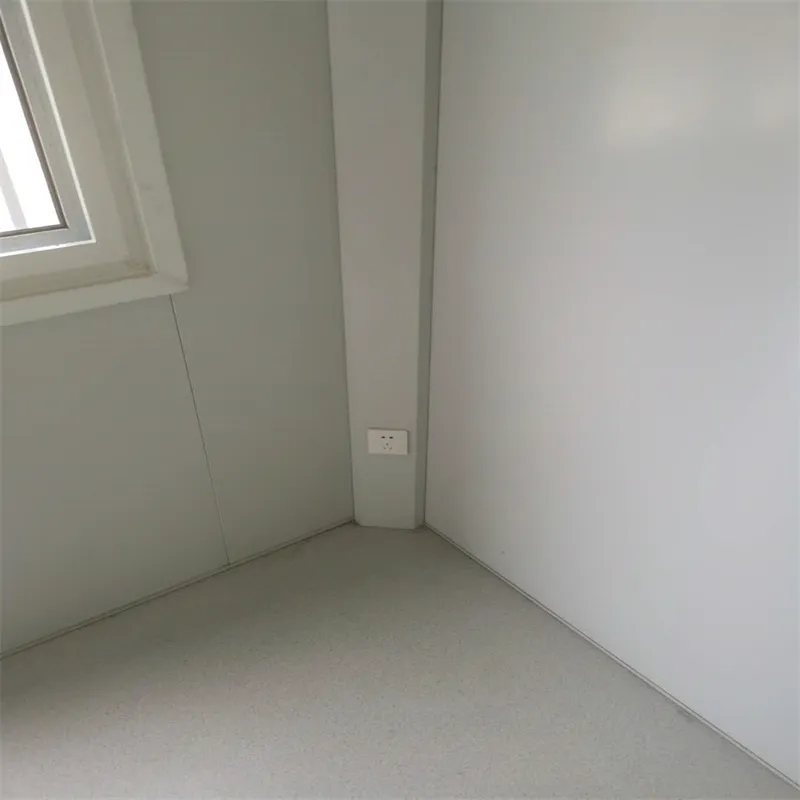
▶Wall: sandwich panel (color steel on two sides and EPS foam/PU/mineral wool filling)
▶Roofing: corrugated steel roofing or the sandwich panel, with gutter system
▶Ceiling: 8-15mm PVC ceiling panel
▶Windows: PVC sliding windows with glass
▶Rust-proof: painted or GI
Frequently Asked Questions
What are the main advantages of a prefabricated house?
Prefabricated houses offer fast installation, eco-friendliness, and high durability. They are earthquake-resistant, wind-resistant, and can be easily moved or combined flexibly according to design needs.
What materials are used for the walls and insulation?
The walls typically consist of sandwich panels with color steel on both sides. Insulation materials include EPS foam, PU (Polyurethane), or Rock Wool (mineral wool) with thicknesses ranging from 50mm to 100mm.
Can these houses be recycled or relocated?
Yes, the components are connected with bolts, allowing the structure to be quickly assembled, disassembled, and recycled multiple times without generating construction waste.
What are the typical applications for these buildings?
They are widely used as temporary housing on construction sites, offices, meeting rooms, dormitories, exhibition centers, shops, camping houses, and mobile garages.
Is the steel structure rust-proof?
Yes, the main steel structure undergoes a derusting process via ball blast and is protected by either high-quality paint or galvanization (GI) to ensure long-term weather resistance.
How is the transportation of materials handled?
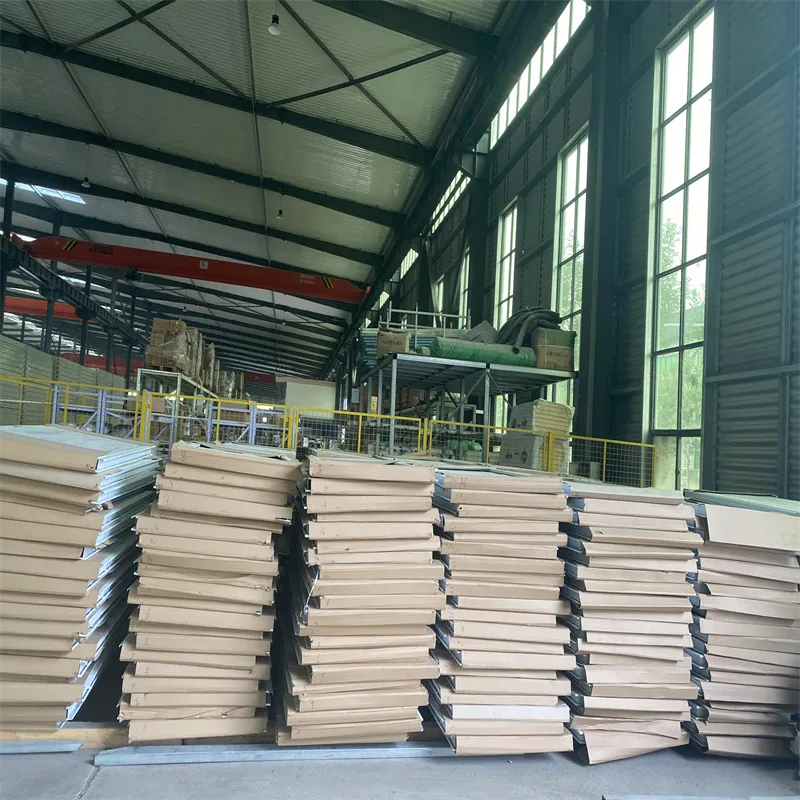
Materials are packed using seaworthy export packaging and transported via containers or bulk load, depending on the total quantity and the specific requirements of the project.
 Stayvora House