What are the advantages of off grid housing? The answer begins with control. An off-grid home can generate electricity, collect water, and manage waste independently. Solar panels may face the morning sun. A battery bank can keep essential lights working after sunset. Rainwater tanks can support gardens during dry weeks.
Nick Rosen, author of How to Live Off-Grid, describes the idea plainly: “Living off-grid means living without reliance on public utilities.” His observation highlights the central promise of this housing model. Residents can reduce exposure to rising energy costs and design systems around local conditions. They may also lower household emissions through efficient appliances, passive solar design, and careful water use.
The experience is practical, not romantic. A small mistake matters. A neglected filter can affect drinking water, while several cloudy days can change energy plans. Homeowners must inspect batteries, maintain pumps, and understand seasonal demand. That responsibility can feel demanding.
It can also feel empowering.
Off-grid housing supports resilience, but it does not guarantee comfort or sustainability. Poorly designed systems may waste materials, fail early, or create difficult maintenance burdens. Reliable planning matters more than fashionable equipment. This guide examines energy independence, operating costs, environmental performance, and everyday challenges. It also considers where off-grid housing works well, and where a connected home may remain the wiser choice.
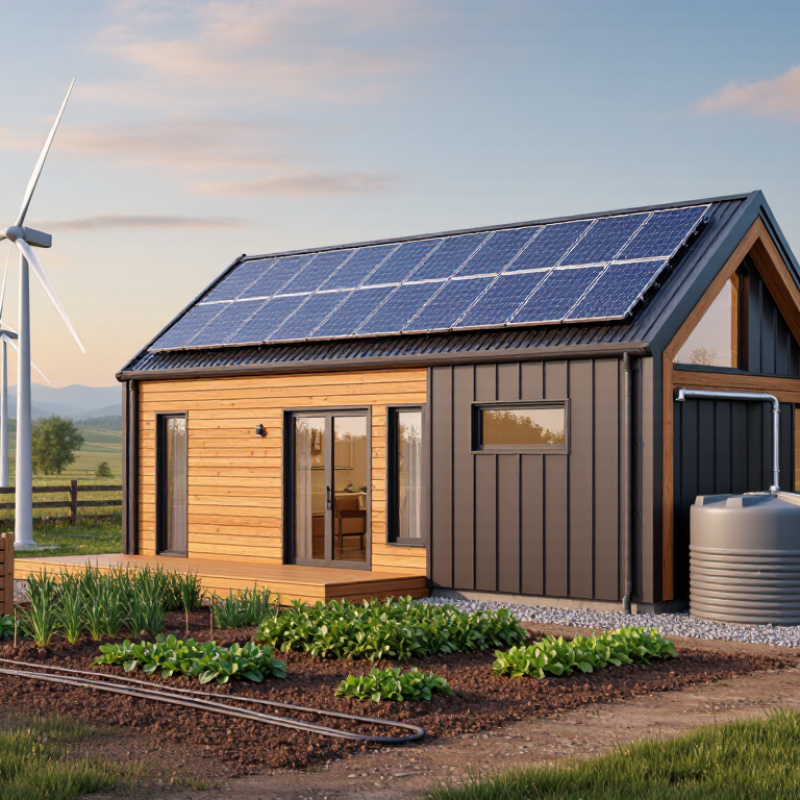
Off-grid housing operates independently from public utilities, using systems for power, water, heating, and waste management. Solar panels can charge batteries for evening lighting and essential appliances. Rainwater tanks may support gardening, cleaning, and toilet flushing, depending on local regulations. These homes reduce dependence on centralized infrastructure and can lower emissions when designed carefully. However, sustainability is not automatic. A poorly insulated cabin may consume more energy than an efficient connected home.
Living off-grid also requires practical knowledge. Residents must monitor battery levels, maintain filters, inspect plumbing, and prepare for cloudy weather. I have seen how a small leak can waste stored water quickly. That experience changed how I plan storage and maintenance schedules. Professional advice remains valuable, especially for electrical systems, structural safety, sanitation, and local permits. The most reliable design combines renewable technology with simple habits, such as natural ventilation and repairing items before replacing them.
Tips: Start with an energy audit before buying equipment. Insulate the roof and windows first. Keep backup water safely stored. Choose appliances with modest power demands. Test every system during ordinary weather, not only ideal conditions. Some compromises remain. Limited space, seasonal sunlight, and maintenance work can challenge comfort, but they reveal the real cost of sustainable living.
Off-grid housing becomes practical when its core systems work as one connected network. Energy independence rarely comes from a single clever device. It depends on sizing, maintenance, and daily restraint. Solar panels generate electricity, while batteries store daytime power for evening cooking, lighting, and pumps. An inverter changes stored energy into usable household current. A practical field lesson is simple: cloudy weather quickly exposes optimistic energy estimates. A modest backup source can protect refrigeration and medical equipment during prolonged storms.
Water independence starts with the roof. Rainwater flows through gutters into a covered storage tank, while a first-flush diverter removes dust and bird residue. Sediment filters, activated carbon, and ultraviolet treatment can improve safety, but water testing remains essential. Private wells require regular checks for bacteria, minerals, and seasonal changes. Greywater from showers may support carefully selected landscaping, subject to local rules and soil conditions. It should never be treated as automatically harmless.
Smart monitoring connects these systems. A basic meter can show battery levels, pump use, tank volume, and unusual leaks. Efficient fixtures also matter. Low-flow taps and pressure-managed irrigation reduce demand without making daily life uncomfortable. My first design instinct would be to maximize storage, yet oversized systems can cost more and still suffer neglect. Maintenance is less exciting than installation. Still, cleaning filters, inspecting seals, and recording seasonal performance often decide whether independence works beyond the first year.
Why Choose Off Grid Housing for Sustainable Living?
Environmental Benefits of Living Beyond Conventional Utility Networks
Off-grid housing can reduce pressure on centralized energy and water systems. Solar panels generate electricity directly on the property. Battery storage can keep essential lights running after sunset. A smaller energy budget often encourages practical habits, such as using efficient appliances and washing clothes with collected rainwater. These changes make sustainability visible in daily life.
Water systems can also become more responsible. Rainwater tanks may supply toilets, gardens, and carefully filtered household water. Greywater systems can redirect lightly used water toward suitable plants. Composting toilets can reduce flushing demand, although they require correct installation and regular maintenance. Poorly managed systems may create odors, leaks, or soil contamination. Professional design and local environmental guidance remain important.
Off-grid homes may reduce emissions, but they are not automatically green. Solar equipment, batteries, insulation, and building materials carry environmental costs before installation. A durable, well-insulated home usually performs better than a large house filled with unnecessary technology. Site selection matters too. Building near existing roads and mature vegetation can limit land disturbance. Living this way can feel empowering, yet it demands monitoring. Dust can lower panel output. Winter clouds can expose weak storage planning. A monthly review of energy use, water levels, and equipment condition keeps the system realistic.
| Environmental Dimension | Off-Grid Housing Approach | Evidence-Based Data or Benchmark | Potential Environmental Benefit | Important Consideration |
|---|---|---|---|---|
| Electricity Generation | Solar photovoltaic panels, small wind systems, micro-hydro systems, or a combination of renewable sources. | Solar photovoltaic electricity has a typical life-cycle greenhouse-gas intensity of approximately 20–50 g CO₂e per kWh, depending on technology, location, and manufacturing conditions. | Can reduce dependence on fossil-fuel-based electricity and lower operational carbon emissions. | Actual benefits depend on system efficiency, local sunlight or wind conditions, equipment lifespan, storage requirements, and responsible end-of-life recycling. |
| Energy Demand | High-performance insulation, airtight construction, passive solar design, external shading, and efficient appliances. | Space heating and cooling can account for a substantial share of household energy use; reducing heating and cooling demand lowers the size of renewable-generation and battery systems required. | Lower energy consumption reduces material demand, operating emissions, and energy-storage losses. | Good building orientation and climate-appropriate design are essential; insulation alone does not guarantee low energy use. |
| Battery Storage | Battery banks store renewable electricity for nighttime use and periods of low solar or wind production. | Round-trip efficiency for modern lithium-ion battery systems is commonly about 85–95%, meaning some stored electricity is lost during charging and discharging. | Enables renewable electricity to replace backup generators for many daily loads. | Batteries require mined materials and eventual replacement, so long service life, repairability, and recycling are important. |
| Water Consumption | Rainwater harvesting, low-flow fixtures, water-efficient appliances, and carefully managed storage tanks. | A rainwater system can collect approximately 1 litre of water for every 1 millimetre of rainfall per square metre of roof catchment area, before collection losses. | Reduces reliance on centralized water treatment, pumping, and long-distance distribution. | Stored rainwater may require filtration or disinfection, and local regulations may restrict its use for drinking or household purposes. |
| Wastewater Management | Composting toilets, greywater reuse, constructed wetlands, or approved decentralized treatment systems. | A high-efficiency toilet rated at 1.28 US gallons per flush uses up to 20% less water than the federal maximum of 1.6 gallons per flush. | Can reduce freshwater demand and the energy required to transport and treat wastewater. | Greywater and human waste must be treated and managed safely to prevent pathogens, groundwater contamination, and nutrient pollution. |
| Water Reuse | Reuse lightly contaminated water from showers, baths, and laundry for landscape irrigation where permitted. | Greywater reuse can reduce potable-water demand, but the savings vary with household occupancy, climate, fixture use, and irrigation needs. | Preserves treated drinking water for essential uses and can support soil moisture in dry periods. | Kitchen wastewater is generally more difficult to reuse because it contains higher levels of grease, food particles, and organic matter. |
| Backup Fuel Use | Use renewable generation, demand management, and storage before relying on a backup generator. | A fuel-powered generator produces direct combustion emissions and also requires fuel extraction, transport, and storage. | Minimizing generator runtime can reduce greenhouse gases, local air pollutants, noise, and fuel-spill risks. | Emergency generators may still be appropriate in extreme weather; safe ventilation, fuel storage, and maintenance are necessary. |
| Transmission and Distribution | Generate electricity at or near the home instead of importing all electricity through centralized networks. | Electricity networks lose energy during transmission and distribution; losses vary by country, network design, distance, and weather. | Local generation avoids some network losses and can reduce the need for new distribution infrastructure. | Off-grid systems may have higher per-household equipment requirements because they must provide generation and storage independently. |
| Land and Ecosystem Pressure | Compact building footprints, protection of existing vegetation, permeable surfaces, and responsible site selection. | A smaller disturbed site generally creates less soil compaction, habitat fragmentation, and stormwater runoff than a larger cleared site. | Helps preserve biodiversity, infiltration capacity, and local carbon stored in vegetation and soil. | Off-grid does not automatically mean low-impact; remote construction roads, oversized land parcels, and new utility access can increase disturbance. |
| Organic Waste | Composting food scraps and yard waste instead of sending biodegradable material to landfill. | Well-managed aerobic composting converts organic material into a soil amendment, while anaerobic landfill conditions can generate methane. | Can reduce landfill waste and return nutrients and organic matter to soil. | Compost should be managed with appropriate moisture, aeration, and carbon-to-nitrogen balance to control odors and pests. |
| Resilience During Outages | Independent electricity, water, and wastewater systems continue operating when centralized infrastructure is disrupted. | Resilience depends on having adequate generation capacity, stored water, battery capacity, spare parts, and emergency procedures. | Can reduce reliance on emergency water deliveries, temporary generators, and long-distance resource transport. | Resilience is not guaranteed; prolonged cloudy weather, drought, wildfire, flooding, or equipment failure can still interrupt essential services. |
| Overall Carbon Reduction Potential | Combine passive design, efficient equipment, renewable energy, water conservation, and low-impact site planning. | The largest reductions usually come from lowering energy demand first, then meeting the remaining demand with appropriately sized renewable systems. | Integrated design can reduce operational emissions, resource consumption, and infrastructure dependence at the same time. | Life-cycle impacts from construction materials, batteries, solar equipment, transportation, and land use must also be included in a complete assessment. |
Interpretation: Off-grid housing can provide meaningful environmental benefits when it is designed around low demand, efficient resource use, renewable generation, safe water treatment, and minimal land disturbance. The results vary by climate, household size, local regulations, construction materials, and system maintenance.
Reference basis: General benchmarks are consistent with published guidance and datasets from the Intergovernmental Panel on Climate Change, the International Energy Agency, the United States Environmental Protection Agency, the United States Department of Energy, and international life-cycle assessment research. Values are planning ranges rather than guarantees for every site.
Off-grid housing can reduce grid dependence and encourage careful energy use. It also transfers daily responsibility to the homeowner. Solar panels, batteries, water pumps, and backup systems need regular inspection. The World Bank, ESMAP, and GOGLA reported that 685 million people lacked electricity in 2022. Off-grid technology can help, but access does not guarantee reliability.
Weather creates difficult decisions. A cloudy week may leave batteries dangerously low. Oversized systems cost more, while undersized systems create stress during winter. Practical planning should measure appliance loads, sunlight, heating needs, and seasonal water demand. Guesswork fails quickly. The World Health Organization and UNICEF reported that 2.2 billion people lacked safely managed drinking water in 2022. Therefore, an off-grid home needs filtration, storage, testing, and a backup source. Rainwater can look clean while carrying invisible risks.
Maintenance is often underestimated. Filters clog, inverters fail, pipes freeze, and batteries lose capacity. The Global E-waste Monitor 2024 recorded 62 million tonnes of electronic waste in 2022, with only 22.3% formally recycled. End-of-life equipment needs responsible handling and replacement planning. Living off-grid can feel peaceful, but it is not maintenance-free. A realistic design leaves spare capacity, repair tools, and money for imperfect outcomes.
Choosing an off-grid housing model requires more than installing solar panels. The home must match its climate, occupants, budget, and daily energy habits. The International Energy Agency’s 2023 Global Status Report for Buildings and Construction states that buildings used about 30% of global final energy in 2022. Efficient design matters before equipment is purchased. Passive shading, cross-ventilation, insulation, and compact floor plans can reduce demand quietly.
Energy storage is a major decision. A household using electric heating needs a larger battery than a small cabin with wood-free cooking and efficient appliances. Water planning is equally important. The WHO and UNICEF Joint Monitoring Programme reported that 2.2 billion people lacked safely managed drinking water in 2022. Rainwater collection, protected wells, filtration, and dry-season storage should be assessed locally.
Wastewater treatment also needs space and regular maintenance. It is easy to underestimate this part. Sometimes, the most sustainable choice is a smaller home with fewer systems.
Tips: Track electricity and water use for several months before choosing equipment. Ask for winter performance data, not only annual averages. Check local planning rules and repair access. Keep backup components for critical systems. An off-grid model can reduce emissions, but it is not automatically low-impact. The IPCC’s Sixth Assessment Report highlights substantial demand-side mitigation potential in buildings, yet poor construction, oversized systems, and neglected batteries can waste resources. My own design preference is modest: reduce demand first, then add technology carefully.
Solar panels generate electricity, batteries store daytime power, and an inverter supplies household current. A backup source can protect refrigeration and medical equipment during long storms. The systems must cooperate.
Measure appliance loads, sunlight, heating needs, and seasonal demand before purchasing equipment. Cloudy weeks can drain optimistic battery plans. Oversized systems cost more, while undersized systems create winter stress. I would leave spare capacity, but avoid building a giant unused system.
Gutters carry roof water into a covered storage tank. A first-flush diverter removes dust and bird residue. Sediment filters, activated carbon, and ultraviolet treatment may improve safety. Water testing remains essential. Clear water is not automatically safe.
Private wells need regular tests for bacteria, minerals, and seasonal changes. Greywater from showers may support suitable landscaping. Local rules and soil conditions determine whether reuse is appropriate. It should never be treated as harmless.
A basic meter can display battery levels, pump use, tank volume, and unusual leaks. Low-flow taps reduce demand without making showers uncomfortable. Pressure-managed irrigation can save water around garden beds. Small details matter.
No. Solar equipment, batteries, insulation, and building materials still require resources. A durable, well-insulated home often performs better than a large technology-heavy house. Building near existing roads and mature vegetation can reduce land disturbance. Green claims need checking.
Clean filters, inspect seals, check panels, and record seasonal performance regularly. Pipes can freeze, inverters can fail, and batteries can lose capacity. A monthly review may reveal problems before they become expensive. Maintenance is dull. It still decides reliability.
Homeowners manage energy, water, pumps, batteries, and repairs themselves. A cloudy week may leave batteries dangerously low. Rainwater can carry invisible contamination. End-of-life equipment needs responsible handling and replacement planning. My first design instinct would be to maximize storage, but that may encourage neglect.
Off-grid housing offers a practical path toward sustainable living by reducing dependence on conventional utility networks. Powered by systems such as solar panels, battery storage, rainwater collection, filtration, composting or septic solutions, and efficient heating, these homes can produce and manage many of their own essential resources. The main environmental benefits include lower carbon emissions, reduced pressure on public infrastructure, responsible water use, and greater awareness of daily consumption. For those asking, “what are the advantages of off grid housing,” the answer includes increased self-sufficiency, potential long-term savings, resilience during service interruptions, and the freedom to design a home around personal environmental values.
However, off-grid living also requires careful planning and ongoing maintenance. Initial construction costs, changing weather conditions, limited access to services, equipment repairs, and local building requirements should all be considered. Choosing the right housing model depends on climate, land conditions, household size, budget, energy needs, water availability, and the level of independence desired. A successful off-grid home balances sustainability with comfort, reliability, safety, and realistic everyday responsibilities.

Stayvora House