What is the Future of Portable Housing Solutions in 2026?

Time:2026-05-25 Author:Aria
0%

The evolution of housing solutions continues to capture widespread interest. With urbanization on the rise, affordable and portable housing options gain importance. Have you ever wondered, "what is the future of portable housing solutions?" This question is pivotal as we approach 2026.

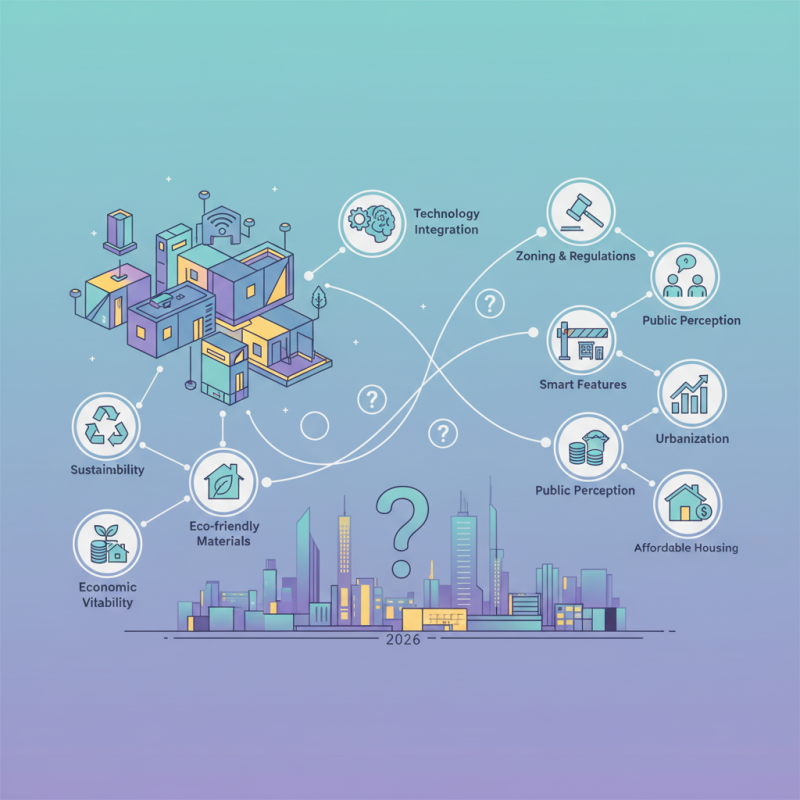
In various regions, portable housing presents unique opportunities and challenges. Innovations in design and materials are underway. However, these solutions often face zoning laws and regulatory hurdles. The public's perception of portability tends to fluctuate, impacting adoption rates.

Expert opinions suggest that we may see increased integration of technology in portable housing. Smart features could streamline living experiences, making homes both functional and attractive. Yet, concerns about sustainability remain. Balancing environmental impact with economic viability is crucial. As interest in portable housing grows, the journey is filled with both excitement and uncertainty. The future may hold more questions than answers, prompting ongoing reflection.
What is the Future of Portable Housing Solutions in 2026?

The Evolution of Portable Housing Solutions in Recent Years

Portable housing solutions have significantly evolved in recent years, altering the way we think about living spaces. Once viewed as temporary shelters, these structures now showcase innovative designs and sustainable materials. They fit seamlessly into urban and rural environments, providing flexibility in an ever-changing world. The rise in remote work culture has further fueled this trend, as people seek mobility without sacrificing comfort.

Many designs prioritize energy efficiency and minimalism, responding to environmental concerns. Architects experiment with modular units that can expand or contract based on needs. Some units utilize solar panels and rainwater collection systems, addressing both resource management and affordability. Yet, challenges remain in zoning regulations and public perception. Not everyone is ready to embrace portable housing as a permanent solution.

There’s a growing community of individuals advocating for these homes. They emphasize the importance of sustainable living and reducing waste. The dialogue around portable housing must include diverse voices and perspectives. This will ensure that solutions evolve to meet a range of needs. The future of portable housing is promising, but it requires ongoing reflection and adaptation as society’s values change.

What is the Future of Portable Housing Solutions in 2026?

Key Innovations Shaping Portable Housing Technologies

The landscape of portable housing solutions is evolving rapidly. By 2026, we can expect significant shifts driven by innovative technologies. One notable advancement is the use of sustainable materials. These materials not only reduce environmental impact but also enhance durability. Housing units can now be constructed from recycled plastics and bamboo, which are lightweight yet strong.

Another development is modular design. Modular units can be assembled and disassembled quickly. This allows for easy relocation and adaptability to various environments. Imagine a home that can be reconfigured to fit different lifestyles. The flexibility is appealing, especially for those seeking temporary or transitional living situations.

Furthermore, smart technology integration is becoming commonplace. Sensors can monitor energy use, ensuring efficiency. Security systems can be built-in, enhancing safety. However, the challenge remains in balancing technology with affordability. As these solutions become more advanced, cost-effectiveness is crucial. There’s a need for continuous feedback from communities to shape future designs. This approach will help create portable housing that meets real needs while remaining accessible.

Market Trends Driving Demand for Portable Housing in 2026

Portable housing solutions are gaining momentum due to various market trends. The global portable housing market was valued at around $30 billion in 2023 and is expected to grow significantly by 2026, driven by the increasing demand for affordable and flexible living options. As urbanization intensifies, more people are seeking innovative housing solutions that can adapt to their lifestyle changes. Research indicates that about 60% of urban dwellers express interest in small, mobile homes as viable alternatives to traditional real estate.

Sustainability is another major factor influencing this sector. Many consumers prioritize eco-friendly options. Reports show that eco-conscious housing could see a 25% increase in demand over the next few years. Many portable homes now feature solar panels and efficient insulation. However, some traditional builders remain skeptical about the long-term viability of these structures. This disparity highlights the ongoing debate between innovation and conventional construction approaches.

Economic factors also play a role. With rising costs of living and fluctuating housing markets, many people are turning to portable solutions to alleviate financial strain. Data suggests that about 35% of potential homeowners consider downsizing to mobile or modular options. While these homes can provide quick relief, questions about zoning laws and community acceptance still linger. Addressing these challenges is crucial for the sector's growth.

Sustainability and Environmental Impact of Portable Housing Solutions

The demand for portable housing solutions is growing. A recent report indicates a significant shift towards sustainable living in urban areas. By 2026, portable homes are expected to use 40% less energy than traditional houses. This reduction significantly lowers their carbon footprints, which is crucial in combating climate change.

Materials play a key role in sustainability. Many portable homes utilize recycled materials. For instance, 30% of new builds have incorporated reclaimed wood and metal. These choices reduce waste and lower the overall environmental impact. However, concerns about the durability of these materials linger. Some argue that cost-cutting on materials could compromise safety and longevity.

Water usage is another area for examination. Portable housing often comes with compact, efficient systems that can reduce water consumption by up to 50%. Yet, adapting these solutions in various climates remains a challenge. Innovative designs must consider local environmental factors. The potential for off-grid living is exciting but requires thorough assessments to ensure reliability and sustainability.

Challenges and Barriers to Adoption of Portable Housing in Urban Areas

The future of portable housing in urban areas may face significant challenges. A recent report by the Urban Land Institute suggests that many city planners are skeptical about the feasibility of portable housing solutions. Concerns include zoning regulations and space constraints, which can hinder the implementation of such structures in densely populated areas. Moreover, a survey revealed that 68% of urban residents are unaware of existing portable housing options, highlighting a need for increased awareness and education.

Construction costs also present a barrier. According to a report by McKinsey & Company, the average cost to produce portable housing units can be 20% higher than traditional homes. This price discrepancy may deter both developers and potential residents. Additionally, issues related to infrastructure access and utility connections create logistical hurdles. Stakeholders must address these to make portable housing a viable alternative.

Tip: Local governments should consider creating incentives for developers. Such measures can help ease costs and encourage innovation in this sector. Additionally, educating the public about the benefits of portable housing could foster acceptance and demand.

Public perception plays a crucial role. Many view portable housing as temporary solutions rather than permanent residences. Changing these perceptions requires community engagement. Hosting open forums where residents can discuss concerns and learn about the benefits of portable housing can build trust.

FAQS

: What are portable housing solutions?

: Portable housing solutions are flexible living structures that can be moved easily. They aim to address urban housing needs.

How much energy do portable homes save?

By 2026, portable homes may use 40% less energy than conventional houses. This is crucial for reducing carbon footprints.

What materials are used in portable homes?

Many portable homes use recycled materials. For example, 30% incorporate reclaimed wood and metal, minimizing waste.

Are recycled materials durable?

Concerns exist about the durability of recycled materials. Some worry cost-cutting could compromise safety and longevity.

How do portable homes manage water usage?

Portable homes often feature compact systems that reduce water consumption by up to 50%. Climate adaptation is still a challenge.

What barriers exist for portable housing adoption?

Urban planners are skeptical due to zoning regulations and space limitations, hindering implementation in crowded areas.

Are construction costs higher for portable homes?

Yes, producing portable units can be about 20% more expensive than traditional homes, which may deter developers.

Why is public perception important?

Many see portable homes as temporary solutions. Changing this view requires community engagement and education.

How can local governments support portable housing?

Creating incentives for developers could lower costs. Educating the public would also encourage acceptance of portable homes.

What challenges do stakeholders face?

Infrastructure access and utility connections pose logistical challenges. Addressing these is key for making portable housing viable.

Conclusion

As we look to 2026, the question arises: what is the future of portable housing solutions? Recent years have witnessed significant evolution in the design and technology of portable homes, driven by key innovations that enhance mobility, efficiency, and livability. Emerging market trends indicate a growing demand for these solutions, particularly in urban areas where space is at a premium.

Sustainability has become a cornerstone of portable housing, with eco-friendly materials and energy-efficient systems taking center stage, significantly reducing environmental impact. However, various challenges and barriers to adoption remain, particularly in densely populated cities, where zoning laws and infrastructure limitations can hinder implementation. Addressing these issues will be crucial for portable housing to thrive in the coming years.

Aria

Aria

Aria is a dedicated marketing professional with a deep passion for innovative strategies and a keen understanding of our company's product offerings. With a wealth of experience in the industry, Aria excels at crafting engaging content that highlights the unique features and benefits of our......