10 Essential Tips for Building a Sustainable Modular Home?

Time:2026-08-08 Author:Henry
0%

Building sustainable modular homes is becoming increasingly important in today's world. According to Eric Reinholdt, a noted architect and expert in sustainable design, “The future of housing must be adaptable and resource-efficient.” His insights inspire many prospective homeowners and builders to consider how to build a sustainable modular home.

Modular homes offer flexibility and efficiency. They can be designed to minimize waste and maximize energy use. Choosing eco-friendly materials is essential. Consider solar panels and energy-efficient appliances to reduce your carbon footprint. Understanding local regulations is crucial, as they can affect design choices.

Still, the journey to creating a sustainable modular home can feel overwhelming. Selecting the right modules requires research and careful planning. Engaging experienced professionals can guide you through this intricate process. Reflect on your choices and remain open to adjustments as you proceed. Building sustainably is not just about the end product but the experience along the way.
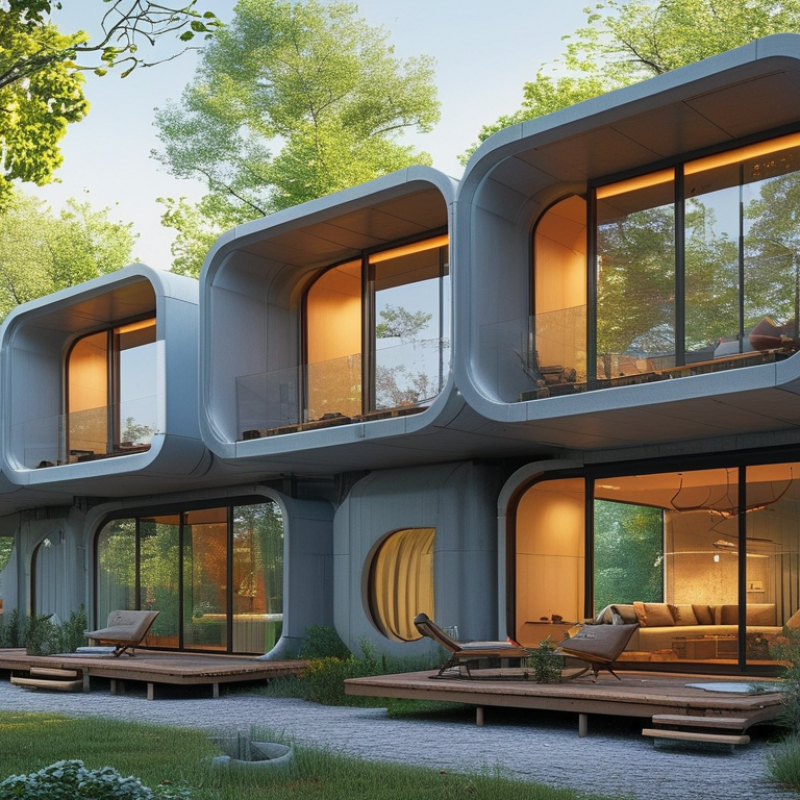
10 Essential Tips for Building a Sustainable Modular Home?

Understanding Modular Home Design Principles for Sustainability

Building a sustainable modular home involves understanding key design principles. Modular homes can minimize waste, enhance energy efficiency, and use sustainable materials. This approach allows for flexibility while adhering to eco-friendly practices.

One crucial tip is to choose energy-efficient insulation. This helps control temperature and reduce heating costs throughout the year. Ensure windows are double-glazed to further conserve energy. Another essential aspect is selecting sustainable materials like reclaimed wood or recycled steel. These materials often have a lower environmental impact and can add unique character to your home.

Lighting and orientation also matter. Properly placing windows can maximize natural light, reducing the need for artificial lighting. Explore incorporating solar panels, as they provide renewable energy. Reflecting on these choices, consider how they contribute to your home’s overall sustainability. While the process may feel overwhelming, even small changes can have a significant impact.

Selecting Eco-Friendly Building Materials for Your Modular Home

Building a sustainable modular home involves careful selection of eco-friendly materials. The right choices can minimize your environmental impact. You might start by exploring local, sustainable resources. Using materials sourced nearby reduces transportation emissions. Seek out certified lumber and bamboo, both renewable and strong.

Consider insulation as another key element. Recycled denim or sheep’s wool offers excellent thermal properties. These materials are not only effective but also biodegradable. Look for non-toxic finishes to ensure indoor air quality. VOC-free paints and finishes protect your health and the environment.

When you choose materials, reflect on durability and lifecycle. Sustainable doesn’t just mean eco-friendly; it also means long-lasting. Think about how materials will age over time. Will they require replacement? Prioritize those that can endure. Balancing aesthetics with sustainability is crucial; sometimes beauty isn't the most eco-friendly choice. Embrace imperfection and stay open to new ideas. Your modular home can be a model for sustainability.

Incorporating Energy-Efficient Systems in Modular Home Construction

Building a sustainable modular home starts with energy-efficient systems. Solar panels can be a game-changer, providing renewable energy. Installing them on the roof maximizes sunlight exposure. Proper orientation and tilt ensure optimal performance. This initial investment pays off through lower utility bills.

Another vital system is high-quality insulation. It minimizes heat loss during winter and keeps homes cool in summer. Selecting the right materials is crucial. Insulation should be free of harmful chemicals for indoor air quality. Windows also play a key role; double-glazed options can significantly reduce energy consumption.

It's important to consider water conservation too. Rainwater harvesting systems can complement energy solutions. They reduce dependency on municipal water sources. Recycling greywater for irrigation can further increase sustainability. While these systems are beneficial, regular maintenance is necessary. Neglecting upkeep can lead to inefficiencies. This highlights the need for ongoing evaluation of performance and efficiency in sustainable living.

Utilizing Sustainable Landscaping Techniques Around Modular Homes

Creating a sustainable landscape around modular homes involves thoughtful strategies. According to the U.S. Environmental Protection Agency (EPA), integrating native plants can reduce water usage by up to 50%. Native plants are adapted to local climates, ensuring less maintenance and resource consumption. They also support local wildlife, contributing to ecological balance.

Incorporating permeable materials for walkways and driveways prevents water runoff. A recent study from the American Society of Landscape Architects highlights that using porous paving can decrease flooding risks by allowing rainwater to seep into the ground. More homeowners should consider these features, as traditional materials can lead to increased erosion and water pollution.

However, measuring the impact of landscaping choices can be complex. Each area has unique conditions, making it crucial to assess soil types, sunlight, and existing ecosystems. Engaging local experts can enhance decisions. Regular evaluation of plant health and water consumption is vital. Mistakes can lead to unexpected challenges, like increased pests or unsuitable plant choices. These lessons in sustainable landscaping push homeowners toward more responsible practices.

Planning for Future Sustainability: Modular Home Maintenance Tips

Maintaining a modular home for future sustainability requires careful planning. A survey by the Modular Home Builders Association highlights that proper maintenance can extend the lifespan of a home by 20 years. Regular inspections are crucial. Homeowners should check for signs of wear, especially in joints and seals. This helps prevent costly repairs and ensures energy efficiency.

Another important aspect is the choice of materials. Sustainable materials, like recycled steel or bamboo, contribute to a lower environmental impact. A report from the U.S. Green Building Council indicates that homes built with sustainable materials can save up to 30% in energy costs annually. Using energy-efficient appliances can enhance this savings.

Yet, modular homeowners often overlook the importance of regular updates. Technology evolves, and periodic retrofitting can enhance sustainability. For instance, integrating smart home technology can lead to better energy use. Based on research from the National Renewable Energy Laboratory, homes equipped with energy management systems can reduce electricity usage by 15-20%. Reflecting on these practices can lead to a more sustainable future.

10 Essential Tips for Building a Sustainable Modular Home - Planning for Future Sustainability: Modular Home Maintenance Tips

Tip Number Maintenance Tip Sustainability Impact Frequency
1 Regular Roof Inspections Prevents leaks and extends lifespan Twice a year
2 Energy-efficient Appliances Reduces energy consumption As needed
3 Use Sustainable Materials Improves indoor air quality For all renovations
4 Water Usage Review Conserves water Annually
5 Install Solar Panels Provides renewable energy source Once installed
6 Optimize Insulation Increases energy efficiency During renovations
7 Regular Pest Control Protects building materials Quarterly
8 Check HVAC System Ensures optimal energy usage Bi-annually
9 Maintain Outdoor Landscaping Enhances natural cooling Seasonally
10 Educate Occupants Promotes sustainable practices Ongoing

FAQS

: What are eco-friendly materials for building a modular home?

: Look for local and sustainable resources. Certified lumber and bamboo are strong and renewable.

How does insulation contribute to sustainability?

Insulation made from recycled denim or sheep's wool is effective and biodegradable, enhancing thermal properties.

Why is choosing non-toxic finishes important?

Non-toxic finishes ensure better indoor air quality. VOC-free paints protect health and the environment.

What should I consider about materials' durability?

Focus on materials that endure over time. Consider their lifespan to avoid frequent replacements.

How can I maintain my modular home for future sustainability?

Regular inspections of joints and seals prevent costly repairs and enhance energy efficiency.

What energy savings can sustainable materials provide?

Homes built with sustainable materials can save up to 30% in energy costs annually.

How often should I update my modular home?

Regular updates are vital. Incorporating smart home technology can significantly improve energy use.

What role does aesthetics play in material choice?

Balance beauty with sustainability. Sometimes, the most beautiful options aren't the most eco-friendly.

What impact do energy-efficient appliances have?

Energy-efficient appliances can further enhance energy savings in sustainable homes.

How can I reflect on my sustainability practices?

Assess current practices regularly. Embrace imperfection and remain open to new sustainability ideas.

Conclusion

Building a sustainable modular home involves a comprehensive understanding of design principles that prioritize environmental responsibility. Firstly, it's crucial to select eco-friendly building materials that minimize the impact on our planet while ensuring the durability and efficiency of the structure. Incorporating energy-efficient systems, such as advanced insulation and renewable energy sources, significantly enhances the sustainability of the home, reducing overall energy consumption and costs.

Additionally, sustainable landscaping techniques play a vital role in creating a harmonious environment around modular homes. These practices can help conserve water and promote biodiversity. Finally, planning for the future with effective maintenance practices ensures that the modular home remains sustainable over time. By following these essential tips on how to build a sustainable modular home, you can create a living space that not only meets your needs but also supports a healthier planet.

Henry

Henry

Henry is a dedicated marketing professional with a profound expertise in the company's offerings. With years of experience in the industry, he possesses an impressive understanding of the market dynamics and consumer behaviors that drive success. Henry is committed to sharing his insights through......