In today's urban landscape, many individuals face the challenge of limited living space. A report from the U.S. Census Bureau reveals that over 30% of Americans live in homes with less than 1,000 square feet. This trend emphasizes the need for smart design strategies. Understanding how to design a comfortable small living space is essential for enhancing both functionality and aesthetics.
Crafting a cozy environment doesn’t require a hefty budget. According to a survey by the National Association of Home Builders, 57% of homeowners prioritize cost-effective solutions for home improvement. Small changes, like strategic furniture placement, can transform a cramped area. For example, multi-functional furniture adds both practicality and style. However, thoroughly assessing your personal style and needs can lead to adjustments in your design approach.
Potential pitfalls exist in this journey. Overspending on trendy items or underestimating space can result in discomfort. Balancing budget, function, and style requires reflection and careful planning. Identifying what works for your unique living conditions is pivotal. Engaging with design principles can pave the way for a truly inviting small living space.
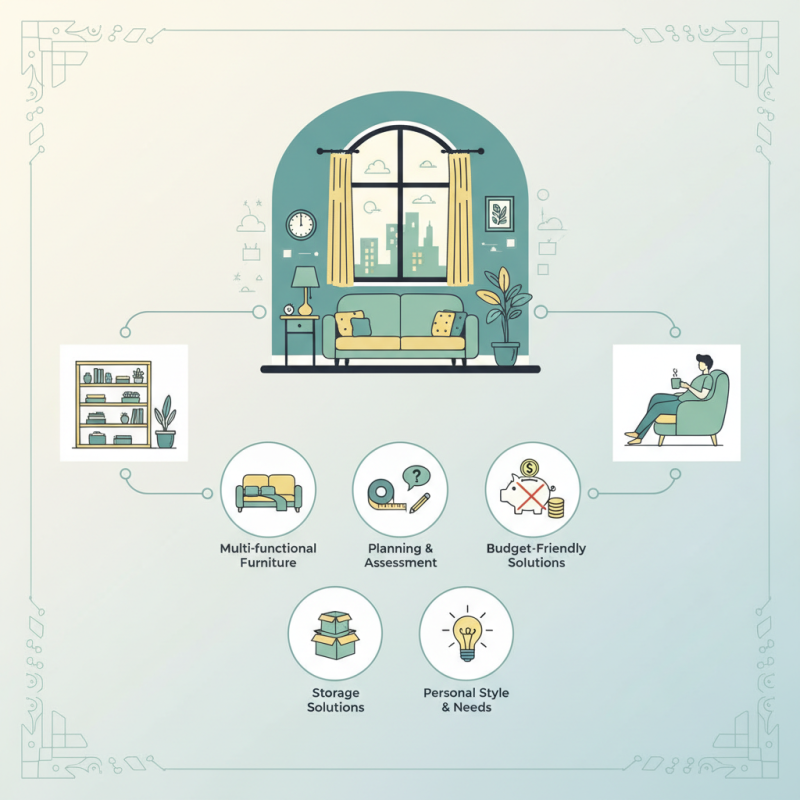
Creating a compact furniture layout requires careful planning. Start by measuring your space. Knowing dimensions helps in selecting the right pieces. Focus on multifunctional furniture. A sofa bed or an ottoman with storage can save a lot of room. These pieces take on double duties, making your space feel larger.
Arranging furniture is an art. Place larger items against the wall to free up central areas. Leave some empty spaces to avoid a cramped vibe. Consider a round table instead of a square one. It can facilitate flow and movement. Experiment with layout options to find what feels right. It's okay to make mistakes; learn from them.
Use vertical space wisely. Shelves or tall bookshelves can draw the eye up, creating an illusion of higher ceilings. This approach not only adds storage but also personality to your home. Reflect on your daily activities. What do you need close at hand? Think carefully about your layout choices. They should enhance comfort and functionality, even in a small space.
This chart illustrates the space occupied by different types of furniture commonly used in small living spaces. By choosing furniture that maximizes functionality while minimizing space usage, you can create a comfortable and efficient living area on a budget.
Creating a comfortable small living space on a budget often hinges on effective storage solutions. Many experts recommend utilizing vertical space to maximize storage without sacrificing square footage. According to a report by the American Institute of Architects, over 60% of homeowners feel overwhelmed by clutter. To combat this, consider wall-mounted shelves or tall bookcases. They provide ample storage while keeping the floor area free for movement.
Another innovative idea is multifunctional furniture. Items like ottomans with interior storage or beds with drawers can significantly reduce visual clutter. The National Association of Home Builders estimates that over 30% of small living space owners use furniture in creative ways. This allows for better organization and a cozier ambiance. However, it can lead to a challenge when choosing pieces that fit both style and function. Sometimes, an improper choice can create more clutter instead of relieving it.
Finally, decluttering regularly is essential. Evaluate what you truly need. The Psychological Science Journal found that people living in smaller spaces often feel stressed when surrounded by excessive items. Regularly reassess your belongings to ensure your space remains functional and inviting. Even small adjustments, like organizing a closet differently, can yield significant results. Keep experimenting until you find what best suits your lifestyle.
Creating a small living space on a budget is a challenge many face. Multi-functional furniture can lead the way to efficient use of space. The key is to find pieces that serve multiple purposes. A sofa bed, for example, provides seating by day and a comfortable sleeping area by night. Consider a coffee table that doubles as storage. This not only saves space but keeps your living area organized.
Another interesting option is a foldable dining table. It allows for meals without consuming permanent space. You can also invest in ottomans that offer seating and hidden storage. These can be placed against walls or in corners, optimizing every inch of your room.
However, it's essential to remain practical. Sometimes, multi-functional pieces can sacrifice comfort. A sofa bed may not be as cozy as a dedicated bed. Ensure you test items before purchasing. Think critically about your lifestyle needs. Striking a balance between style and functionality is key.
| Furniture Type | Functionality | Estimated Cost ($) | Space Saving Benefit |
|---|---|---|---|
| Sofa Bed | Seating + Sleeping | 300 | Transforms Living Room into Guest Room |
| Extendable Dining Table | Dining + Extra Table Space | 250 | Compact for Daily Use; Expands for guests |
| Storage Ottoman | Seating + Storage | 150 | Hides Clutter While Providing Extra Seating |
| Wall-Mounted Desk | Workstation + Saves Floor Space | 100 | Frees Up Floor Space in Small Rooms |
| Murphy Bed | Bed + Retractable for Space | 700 | Maximizes Use of Space When Not in Use |
When designing a small living space, light and color are your best allies. Natural light creates an illusion of openness. According to the American Institute of Architects, well-lit areas feel larger and more inviting. Maximizing windows can improve mood and well-being. An airy space can be achieved with sheer curtains. They let sunlight in while maintaining privacy.
Color affects perception. Lighter hues like whites and pastels can make rooms feel expansive. In a study published by the Psychology of Color, lighter shades helped participants feel less cramped. Conversely, darker colors can absorb light and close off areas. One coat of paint can transform your environment. Consider an accent wall in a bolder shade to add dimension without overwhelming the space.
Reflective surfaces also contribute. Mirrors can double the light entering a space while creating depth. The National Association of Realtors reports that strategic mirror placement is an effective way to enhance small areas. However, relying solely on these methods can feel uninspired. Each person's taste varies, making it essential to balance aesthetics with functionality. Decorating should evoke personal joy while remaining practical.
Creating a personalized small living space can be both fun and budget-friendly. Start with DIY wall art. Use materials like canvas or recycled wood. Add your own touch with paint, photographs, or fabric. This not only showcases your personality but also transforms blank walls into eye-catching features.
Furniture can also reflect your style. Consider upcycling old pieces. A fresh coat of paint or new hardware can breathe new life into tired furniture. If space is tight, opt for multi-functional items. A coffee table with storage or a foldable desk can save space while being practical.
Plants are another effective way to enhance your area. They add color and freshness to your home. Even simple herbs in small pots can brighten up a corner. Choose low-maintenance varieties if you’re often busy. This minor addition can signify a step toward a cozy environment. Embrace imperfections, as they often tell a story.
: Utilize vertical space with wall-mounted shelves or tall bookcases. This keeps the floor area free.
Pieces like ottomans with storage can reduce clutter. They provide both function and a cozy feel.
Regularly reassess your belongings to maintain a functional atmosphere. Even small adjustments can help.
It offers daytime seating and nighttime sleeping, maximizing space use in small areas.
Sometimes, comfort may be sacrificed. Testing items before buying is crucial to ensure satisfaction.
Keep it organized and regularly declutter. Small changes can create a significant impact on ambiance.
Assess your style and function needs. Improper choices might create more clutter instead of alleviating it.
Yes, a foldable dining table allows for meals without taking permanent space, optimizing your area.
Experiment with different organizing methods. Adjusting layouts can lead to more effective use of space.
Yes, evaluate what you genuinely need. This helps in maintaining a clutter-free and functional environment.
Designing a comfortable small living space on a budget requires thoughtful planning and creativity. First, it’s essential to choose a compact and functional furniture layout that maximizes the available area while ensuring comfort and accessibility. Creative storage solutions, such as utilizing under-bed space or wall-mounted shelves, can help minimize clutter. Incorporating multi-functional furniture, like a sofa bed or an ottoman with storage, allows for versatility without sacrificing style.
Furthermore, utilizing light and color effectively can significantly enhance the perception of space. Lighter colors and strategic lighting can make a small area feel more open and inviting. Lastly, incorporating DIY decor ideas adds a personal touch to your small living area, making it feel unique and cozy. By considering these elements, anyone can learn how to design a comfortable small living space that meets both aesthetic and functional needs.

Stayvora House