In recent years, modular housing has gained popularity as an alternative to traditional buildings. Many people now ask, "what is the cost of modular housing compared to traditional buildings?" This question is crucial for homeowners and investors alike. Modular homes are pre-fabricated structures built in a factory, while traditional buildings are constructed on-site.
Cost efficiency is a significant factor in this comparison. Modular homes often experience lower labor costs. They can be built in a fraction of the time, reducing overhead expenses. However, some may argue that initial costs for modular housing can be higher. This adds complexity when evaluating long-term savings versus immediate expenditures.
Furthermore, while modular housing can save money, it is essential to consider quality and design. Buyers may find limited customization options, leading to dissatisfaction later. In contrast, traditional buildings typically offer greater design flexibility. The key is weighing these factors wisely. Understanding both methods' costs will empower future homeowners and builders to make informed decisions.
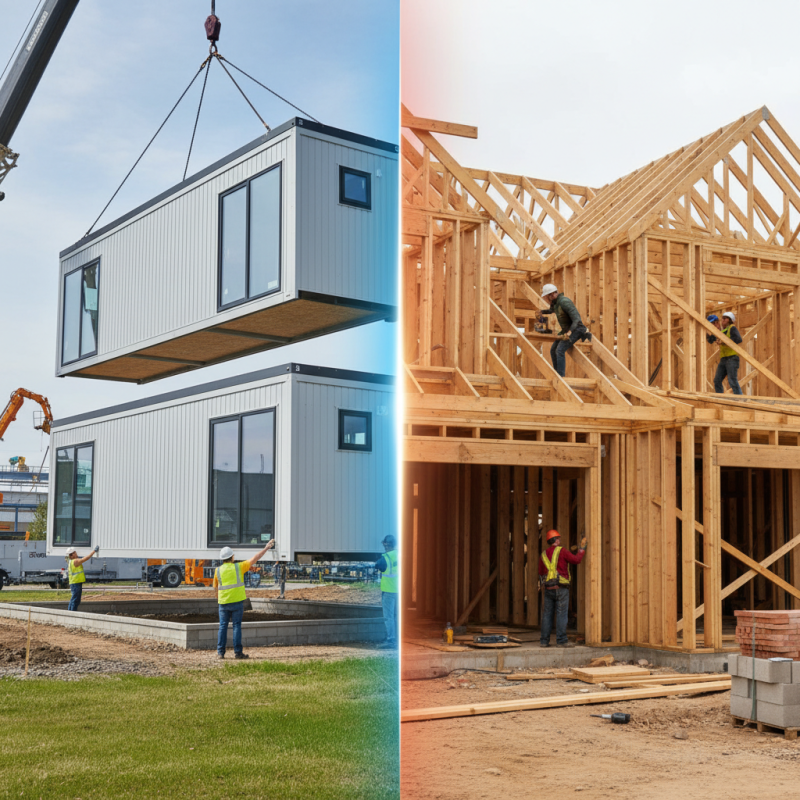
The cost analysis of modular housing versus traditional construction methods reveals intriguing insights. Modular homes are often cheaper to build. They benefit from factory efficiencies, reduced labor costs, and shorter construction times. For example, a typical modular unit can be completed in a fraction of the time compared to a traditional home. This often translates into lower overall costs for developers and buyers alike.
However, the savings may not always be as significant as expected. Site preparation can sometimes cancel out the benefits of faster assembly. Additionally, transportation costs for prefabricated modules can add to the bottom line. There are instances where planners discover hidden fees, such as permits and utilities, which can inflate costs unexpectedly.
Moreover, modular homes may not always offer the same level of customizability as traditional designs. While they provide flexibility, some buyers desire more unique features commonly found in traditional constructions. This can lead to dissatisfaction among homeowners seeking individuality. While the modular approach presents a promising alternative, it's crucial to weigh these factors carefully.
| Cost Dimension | Modular Housing (per sq ft) | Traditional Construction (per sq ft) |
|---|---|---|
| Material Costs | $80 | $100 |
| Labor Costs | $30 | $50 |
| Time to Build | 3 months | 6 months |
| Energy Efficiency | High | Medium |
| Average Total Cost (for 1,000 sq ft) | $110,000 | $150,000 |
: Key factors include site preparation, materials, transportation fees, and labor availability.
A well-prepared site reduces labor costs and streamlines construction. Complex terrains increase expenses.
High-quality materials may raise initial costs but enhance durability and lower maintenance in the long run.
Transport fees vary based on distance from the manufacturing site. Longer distances lead to higher costs.
Skilled labor can speed up projects. Limited expertise may cause delays or increased expenses.
Building codes can require modifications, affecting budget estimates. It's crucial to understand these early.
Modular homes can be up to 20% cheaper, with faster construction times driving this trend.
Always request clear estimates, compare builders, and consider long-term value over just upfront costs.
Yes, in some markets, modular homes may depreciate faster. It's important to be cautious.
Avoid neglecting local regulations and not comparing costs among builders. Make thorough evaluations.
In the comparative analysis of "what is the cost of modular housing compared to traditional buildings," various factors influence the overall pricing structure. The cost analysis highlights that modular housing often presents a lower initial investment due to reduced labor costs and shorter construction times. Key components affecting modular construction costs include materials, design complexity, and site preparation expenses.
Furthermore, when comparing construction durations, modular housing typically outperforms traditional methods, leading to quicker occupancy and potential for earlier returns on investment. Beyond initial costs, long-term considerations such as maintenance expenses and energy efficiency play a vital role in overall savings for homeowners. As market trends evolve and acceptance of modular techniques increases, future price predictions suggest a promising outlook for modular housing compared to traditional buildings, positioning it as a viable alternative in the housing market.

 Stayvora House