Choosing a prefab house is an important decision. Many factors come into play in this process. Understanding how to choose the right prefab house for your needs is the key to finding a perfect fit.
Prefab houses come in various styles and designs. Each option has unique features that appeal to different buyers. Think about your lifestyle, budget, and preferences. A well-informed choice can lead to long-term satisfaction. However, don’t overlook challenges. Not every prefab home is suitable for every location or family size.
Take your time researching different types. Look at eco-friendly options and consider the materials used. They contribute to durability and energy efficiency. Be aware of potential delays in shipping and installation. Each decision affects the overall experience of living in your new home. Reflect on what truly matters to you and make informed choices.
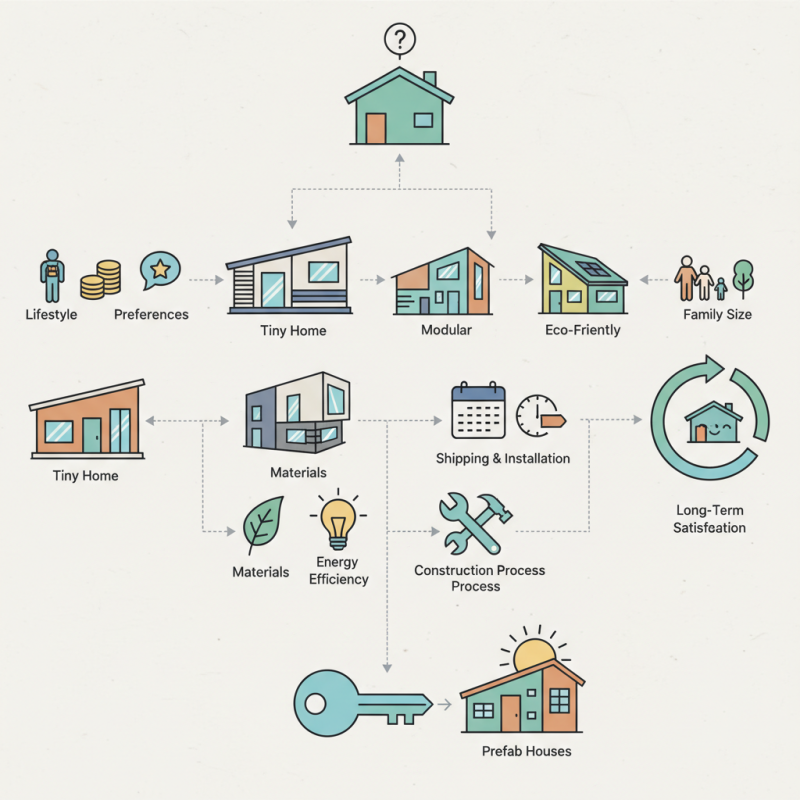
When selecting a prefab house, understanding different types is crucial. Modular homes are built in sections and can integrate unique designs. They often feature high energy efficiency ratings, with some models achieving up to 40% savings on energy bills. Research indicates that 80% of new buyers prioritize energy efficiency in their housing decisions.
Another option is panelized homes. These consist of pre-manufactured wall and roof panels. They are quick to assemble, often reducing construction time by 30%. Some manufacturers report that panelized construction can lead to a 50% decrease in waste during the building process. This efficiency supports sustainability, appealing to eco-conscious buyers.
Log homes offer rustic charm but require careful maintenance. They need regular treatments to prevent rot and pests. Industry data shows that log homes can appreciate significantly in value, but upkeep costs need consideration. Reflecting on the maintenance trade-offs is essential for potential buyers. Each type of prefab house comes with its unique set of features and challenges, demanding thoughtful consideration.
When budgeting for a prefab house project, several key considerations should guide your financial planning. According to a report by the Modular Building Institute, the average cost of a prefab home ranges from $100 to $200 per square foot. This wide range depends on customization, materials, and location. While a lower initial price may seem enticing, opting for cheaper materials can lead to higher long-term costs. You'll want a balance between cost and durability.
It’s crucial to include additional expenses in your budget. Site preparation, utility connections, and permits can add significant costs. Surveys show that these “hidden” costs can increase your budget by 10 to 20 percent. Carefully calculating these details ensures fewer surprises down the line.
Tips: Allocate 15% of your budget for unforeseen issues. Research local regulations to avoid fines. Prioritize essentials in your design to save costs. By staying informed and diligent in your planning, you can avoid common pitfalls and build a home that meets your needs without financial strain.
| Feature | Description | Price Range (USD) | Considerations |
|---|---|---|---|
| Size | Choose based on the number of occupants and intended use. | $20,000 - $200,000 | Larger homes typically cost more; ensure sufficient space. |
| Material | Common options include wood, steel, and concrete. | $15,000 - $150,000 | Consider durability, maintenance, and insulation properties. |
| Design | Styles can range from modern to traditional. | $10,000 - $100,000 | Choose a design that complements your lifestyle and aesthetics. |
| Location | Consider land costs and zoning regulations in your area. | Varies widely | Evaluate accessibility, environment, and community amenities. |
| Customization | Options for layout alterations and upgrades. | $5,000 - $50,000 | Consider what features are essential for your needs. |
When assessing your space requirements for a prefab house, start by evaluating how much space you truly need. Consider the number of bedrooms, bathrooms, and common areas. Think about your lifestyle: do you need an office, or a dedicated playroom?
Tips: Create a list of must-haves vs. nice-to-haves. This clarity aids your decision-making.
Land considerations are equally crucial. Analyze the size and shape of your plot. Your home needs to fit well on the land, allowing for outdoor space and privacy. Be mindful of local zoning laws and building codes. They can impact your options significantly.
Tips: Check for slopes, drainage issues, and trees. These can complicate foundation work.
Ignore these factors, and you may face costly adjustments later. It’s beneficial to consult experts right from the start. Their insights can save time and money down the line.
When evaluating building materials for prefab houses, several factors come into play. Energy efficiency is a critical consideration. According to the U.S. Department of Energy, energy-efficient homes can save homeowners between $200 and $500 annually on utility bills. This statistic highlights the financial benefits of investing in quality materials that enhance energy performance.
Insulation is a key element. High R-value insulation can reduce heating and cooling costs significantly. For instance, fiberglass batts typically have R-values between 2.9 to 3.8 per inch. In contrast, spray foam insulation often achieves R-values up to 6.5. This considerable difference can impact energy efficiency significantly. The selection of windows also affects energy efficiency. Double-glazed windows can lower energy consumption by as much as 25%.
Material choice influences durability too. Some materials resist wear better than others. For example, fiber cement siding can last up to 50 years. On the other hand, wood siding may require more maintenance and replacement sooner, reflecting a trade-off between aesthetic appeal and longevity. These details remind prospective owners to reflect on their priorities—beauty, cost, or sustainability. Reflecting on these choices can lead to better long-term outcomes.
When considering a prefab house, understanding local zoning laws is crucial.
Zoning regulations dictate where certain types of buildings can be placed.
They also set out limits on height, size, and even the design of your future home.
According to a report by the American Planning Association, over 70% of municipalities have specific zoning codes affecting prefab homes.
This information can impact your site selection significantly.
Before you proceed, check with your local government. Get familiar with the zoning classification of your intended property.
Different areas may have different allowances. Some regions may fully embrace prefab homes, while others remain skeptical.
This discrepancy can influence your buying process.
Research shows that areas open to modular housing often have better resale values by up to 15%.
Tips: Speak to local officials. They can provide insights that online research may not cover.
Consider attending public meetings regarding zoning discussions. Stay informed about upcoming changes that could affect your investment.
Adapting to local laws might take extra effort, but it can save you future headaches.
Always remain flexible. Amendments to local zoning laws can occur, and staying updated is key to your success.
: Modular homes are built in sections and can have unique designs. They are energy efficient.
Some models can save up to 40% on energy bills.
Panelized homes use pre-manufactured wall and roof panels. They assemble quickly and reduce waste.
It can lead to a 50% decrease in waste during building.
Log homes require regular treatments to prevent rot and pests. Maintenance can be costly.
Evaluate the number of bedrooms and bathrooms you need. Consider lifestyle needs too.
Check the plot's size, shape, and zoning laws. Outdoor space and privacy are important.
They provide insights that can prevent costly adjustments. Their advice saves time and money.
Ignoring land factors can lead to expensive issues later. Don’t take this lightly.
Each type has unique features and challenges. Reflecting on these trade-offs is essential.
When considering how to choose the right prefab house for your needs, it's essential to explore various types of prefab houses and their specific features. Each type offers unique advantages, so understanding your preferences is crucial in making the right selection. Additionally, budgeting plays a significant role in your project, as it will determine the materials and designs available to you.
Beyond budget considerations, assessing your space requirements alongside land characteristics is vital. This ensures that your chosen prefab house fits not only your lifestyle but also complies with local zoning laws and regulations. Moreover, evaluating building materials and energy efficiency options can impact your home's long-term sustainability and comfort. By carefully examining these aspects, you can confidently choose a prefab house that meets your functional and aesthetic needs.

Stayvora House