Choosing a prefab house can be overwhelming. Many options exist, making it tough to select the right one. Understanding how to choose the right prefab house for your needs requires careful consideration of various factors.
Begin by evaluating your lifestyle. Think about your family size and daily routines. Different designs cater to different preferences and necessities. Look for features that enhance comfort and functionality. Research is essential. Gather information from reputable sources to inform your decision.
Quality matters too. Investigate materials and construction techniques. A well-built prefab house can save you from future headaches. Reflect on your long-term goals. Are you looking for investment opportunities, or is this a forever home? The answers to these questions will shape your choice. Remember, it's a significant investment; taking your time can make all the difference.
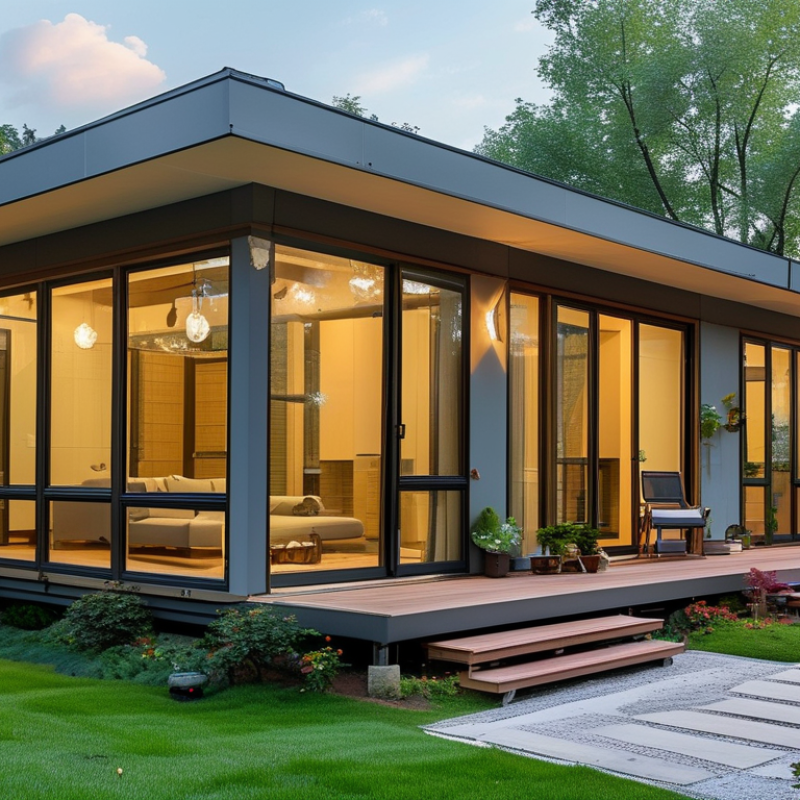
Prefab houses are gaining popularity, thanks to their efficiency and versatility. Understanding the types of prefab houses is essential. Modular homes, panelized houses, and manufactured homes each offer different benefits. Modular homes are built in sections in a factory and assembled on-site. They often provide more design flexibility. Panelized houses are constructed with pre-made wall panels, allowing quicker assembly and customization. Manufactured homes, often single-story, are the most affordable option, satisfying budget-conscious buyers.
Choosing the right type involves assessing needs and preferences. For instance, consider climate and local building codes. Modular homes might be best for customization in diverse weather conditions. On the other hand, panelized houses focus on speed and efficiency. Manufactured homes could suit those seeking affordability. However, think carefully about zoning restrictions and land requirements before deciding. Sometimes, the best choice might not be the most obvious one. Take time to evaluate all factors before moving forward. Remember, establishing a clear vision will guide you in making the right decision.
When considering a prefab house, understanding the costs is crucial. According to industry studies, prefab homes generally range from $100 to $200 per square foot. This variance depends on design complexity and materials. Knowing your budget will guide your choices effectively.
Assess your financial capacity. Some reports indicate that 60% of buyers underestimated the total cost of ownership, which includes land, permits, and utilities. It's easy to focus solely on the base cost. Remember, hidden expenses can accumulate quickly. This situation can lead to financial strain down the road.
Tip: Always build a buffer into your budget for unexpected costs. This safety net helps you to avoid stress later on. Also, look for reviews or case studies from other buyers. It’s wise to learn from their experiences and reflect on your preferences. A clear understanding of your financial landscape and thorough research can pave the way for a satisfying purchase.
| Tip | Description | Cost per Square Foot (USD) | Estimated Total Cost (USD) |
|---|---|---|---|
| Define Your Needs | Assess the size and functionality you need from your prefab house. | $100 | $200,000 |
| Research Models | Look into various prefab models to find what suits you best. | $120 | $240,000 |
| Consult Professionals | Get advice from architects or designers specializing in prefab houses. | $150 | $300,000 |
| Evaluate Location | Consider local zoning laws and site suitability for prefab homes. | $130 | $260,000 |
| Consider Sustainability | Explore eco-friendly options and energy-efficient designs. | $140 | $280,000 |
When selecting a prefab house, assessing land requirements is crucial. Zoning laws dictate what can be built in certain areas. These regulations can vary widely from one location to another. It's essential to research these laws early in your planning. They can influence the size, style, and even the purpose of your home. In some cases, a property may not allow residential construction at all. This roadblock can lead to disappointment if not discovered upfront.
Site access is another vital consideration. Think about the logistics of getting materials and equipment to your building site. A property that seems perfect may become a nightmare if the access road is narrow or unpaved. Additionally, consider the distance from local amenities and emergency services. A remote site could face challenges in obtaining necessary utilities. Understanding these aspects helps avoid costly mistakes later on. Each piece of land has unique challenges that can shape your project significantly.
When selecting materials for a prefab house, sustainability and durability are key factors. Sustainable materials not only reduce environmental impact but often enhance the home's longevity. For instance, recycled steel and sustainably sourced wood are popular choices. They provide strength while being eco-friendly. However, finding the right balance between sustainability and cost can be challenging. Cheaper materials might save money upfront but can lead to higher replacement costs later.
Durability is another critical consideration. Materials like concrete, fiber-cement, and high-quality insulation can withstand various weather conditions. They perform well over time, reducing maintenance needs. Yet, some homeowners may overlook the upkeep required for eco-friendly options. Regular inspections and care are essential to ensure longevity.
Ultimately, understanding your specific needs is crucial. Do you prioritize eco-friendliness or long-term durability? Each choice carries its own set of implications and requires an informed decision. Reflecting on personal values can guide you to the best fit for your prefab home.
When selecting a prefab house, customization options are vital. Many homeowners overlook this aspect, focusing only on the structure's price. However, a 2023 industry report indicates that 65% of buyers prioritize customization features over cost. Personalization elevates the living experience. It allows you to create spaces that truly reflect your lifestyle.
Design choices range from floor plans to finishes. You can select energy-efficient materials that meet your environmental values. A recent survey shows that 70% of buyers prefer sustainable options in their prefab homes. Customizing layout and functionality is equally crucial. Consider your family size. You might need an open space for gatherings or more rooms for privacy.
Even with customization, imperfections may arise. Not every choice will meet expectations. It's important to reflect on your needs as they evolve over time. A study found that only 58% of homeowners were fully satisfied with their design decisions a year after moving in. Taking the time to customize effectively can lead to better satisfaction.
: Prefab houses are pre-manufactured homes assembled on-site. They offer efficiency and versatility.
Common types include modular homes, panelized houses, and manufactured homes. Each has unique benefits.
Assess your needs, preferences, climate, and local building codes. Consider which type meets your goals best.
Focus on sustainability and durability. Recycled steel and sustainably sourced wood are good choices.
Customization is vital for personal satisfaction. It helps tailor the home to reflect your lifestyle and needs.
Cheaper materials save money upfront but can lead to higher long-term costs. Balance is essential.
Choose materials like concrete and high-quality insulation. Regular inspections and maintenance are also important.
Consider your evolving needs and lifestyle. Not every design choice will meet expectations over time.
A recent study found only 58% of homeowners were satisfied a year later. Reevaluate your decisions periodically.
Thoughtful design choices can enhance your living experience and tailor your space for family and gatherings.
When considering how to choose the right prefab house for your needs, it's essential to start by understanding the various types of prefab houses available and their benefits. Each type offers unique advantages, catering to different lifestyles and preferences. Next, assessing your budget is crucial; the costs associated with prefab homes generally vary per square foot, so planning your finances beforehand will help streamline the process.
Additionally, evaluating land requirements, such as zoning laws and site access, will ensure that your chosen location is suitable for a prefab home. Selecting the right materials is another important factor, as sustainability and durability can significantly impact the long-term value and comfort of your home. Lastly, consider the customization options available, allowing you to tailor the design to meet your specific needs and desires. By following these guidelines, you can confidently make an informed decision in choosing the perfect prefab house for your requirements.

Stayvora House